
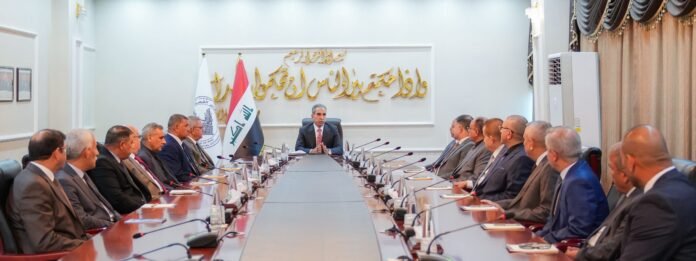
Iraq names new Supreme Court chief as the country faces deepening legal turmoil over the disputed maritime treaty with Kuwait. The Higher Judicial Council announced the appointment of Judge Munthir Ibrahim Hussein as the new head of the Federal Supreme Court. This move comes amid rising political interference and ongoing pressure related to the maritime border dispute.
Judge Hussein, previously deputy head of the Federal Cassation Court, replaces the outgoing chief justice who stepped down for health reasons. The appointment still requires formal ratification by the president. However, this change aims to stabilize the court after a wave of resignations shook its foundations.
Recently, several full and reserve members of the Supreme Court resigned. These resignations have raised concerns about the court’s ability to handle important duties, including certifying election results for the November parliamentary vote. The resignations stem directly from political pressures tied to the maritime treaty issue.
Political leaders in Iraq, including the president and prime minister, have pushed the court to reinstate the controversial Khor Abdullah maritime treaty with Kuwait. Judges have protested this interference, calling it unconstitutional and harmful to judicial independence. This pressure highlights the tense environment surrounding the treaty.
In September 2023, the court struck down the 2013 law that ratified the treaty, citing lack of a required two-thirds parliamentary majority. The ruling angered Kuwait and caused diplomatic strain. Since then, Iraqi officials have filed appeals to reverse the decision.
The court delayed hearings on the matter multiple times without explanation. This fueled further claims of political manipulation and undermined public confidence. Critics warn that reviving the treaty without proper procedure risks Iraqi control over crucial maritime areas.
Iraq names new Supreme Court chief amid these challenges, hoping to restore stability. The new chief’s nomination follows legal procedures and aims to fill the court’s leadership gap. However, some fear continued political influence may persist.
Observers note that if the resigned judges return, the court can function normally. If not, Iraq risks a constitutional vacuum that could delay elections and deepen political uncertainty.
Social media users also express concern that the new leadership may favor reopening the treaty case, potentially compromising Iraq’s sovereignty. As Iraq enters a delicate political phase, the Supreme Court’s future remains uncertain.
