
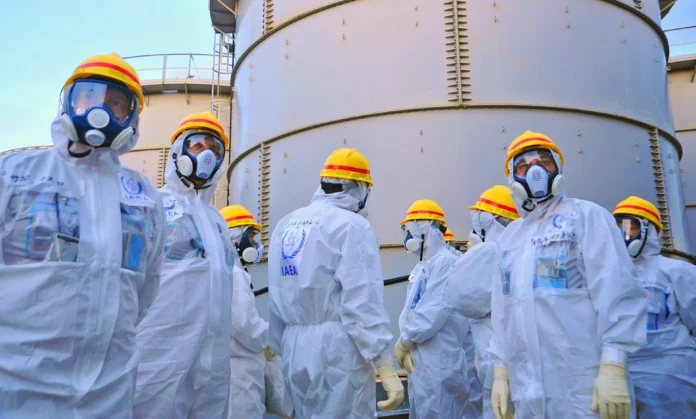
Nuclear radiation from Iran may pose a direct threat to Iraqi cities as regional tensions continue to rise. Therefore, officials are preparing for potential fallout.Currently, tensions between Iran and Israel have reached a dangerous level. As a result, experts now warn Iraq could face serious environmental consequences.
For context, Baghdad sits roughly 933 kilometers from Iran’s Fordow nuclear site. Meanwhile, Sulaymaniyah lies even closer—just 775 kilometers away. Consequently, both cities could suffer if a nuclear strike occurs. Iraqi authorities have taken quick action. Specifically, the country’s nuclear regulatory body has joined a regional emergency coalition.
This coalition includes Jordan, Lebanon, Yemen, Kuwait, Libya, Bahrain, Tunisia, and Sudan. Recently, all members joined a virtual meeting to plan joint efforts. Together, they agreed to create a crisis operations center. Importantly, this center will provide real-time data and coordinate emergency responses across borders.
According to experts, a nuclear blast could destroy everything within 20 kilometers. However, radioactive particles may spread up to 1,600 kilometers. Because of Iraq’s proximity, especially in the north, it could face the worst fallout. Contamination could enter water, soil, and air within hours.
Furthermore, environmental scientists fear long-term consequences. In fact, radioactive dust may stay dangerous for years. Cleanup would be complex and costly. Moreover, some analysts compare the possible damage to Chernobyl. They believe Iran’s nuclear sites pose a similar environmental risk. To reduce fear, Iraq has launched public awareness campaigns. At the same time, emergency plans are being reviewed and updated.
In addition, radiation detectors may be installed in major cities soon. Hospitals have already begun training staff to handle radiation exposure cases.Nuclear radiation from Iran is no longer a distant concern. Instead, it is a real risk that demands urgent action and full coordination.If the conflict continues, Iraq must stay prepared. After all, national safety depends on science-based planning and quick decision-making.Fortunately, Iraq’s partnership with neighboring countries shows promising progress. Still, nuclear radiation from Iran demands constant vigilance and strong public readiness.
