
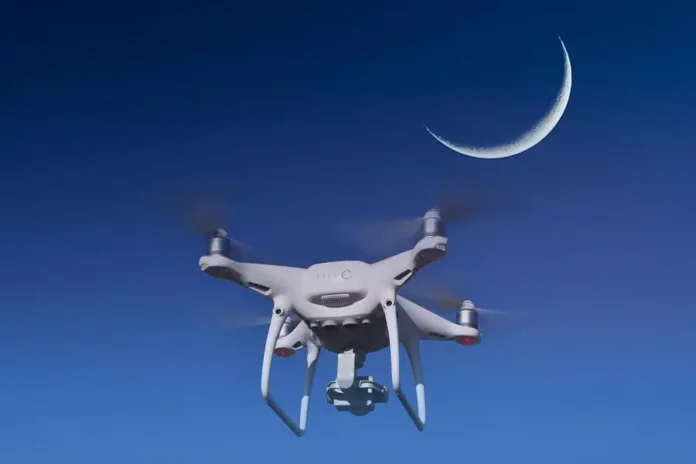
UAE Ramadan crescent sighting captured nationwide attention as authorities confirmed the start of the holy month for 2026. Each year, Muslims await the crescent with anticipation and spiritual focus. This time, the process reflected a careful balance between religious tradition and modern innovation. As a result, the UAE once again demonstrated leadership in managing sacred observances with precision.
The crescent sighting committee convened under the UAE Council for Fatwa on Tuesday evening. Members gathered after Maghrib prayer to begin official deliberations. The meeting took place at Qasr Al Hosn, a site symbolizing national heritage. The location added historical weight to the annual religious process.
Committee members reviewed reports from field teams stationed across the country. They also examined data submitted by accredited observatories operating within the UAE. In addition, individuals from different regions submitted testimonies through approved channels. The committee assessed every report carefully and methodically. Afterwards, officials issued the final decision through authorized platforms.
This year, technology played a central role in the UAE Ramadan crescent sighting process. Authorities deployed drones equipped with advanced imaging systems. These drones captured high-resolution images of the horizon after sunset. Artificial intelligence systems then analyzed the collected data. Consequently, officials reduced uncertainty during difficult visibility conditions.
The use of AI supported astronomers working from six observatories nationwide. Specialists coordinated closely to compare observations and digital findings. Meanwhile, religious scholars ensured compliance with established Shariah principles. This integrated approach strengthened accuracy while preserving religious authenticity. Therefore, tradition and innovation operated side by side.
Authorities also encouraged public participation throughout the process. Residents received invitations to observe the crescent and submit testimonies electronically. This digital platform ensured accessibility and transparency. At the same time, officials applied strict verification standards. As a result, public trust remained central to the procedure.
Officials emphasized that crescent sighting symbolizes unity across the Muslim community. It marks a shared beginning for fasting and worship. The UAE’s approach reinforced confidence in institutional religious decisions. Moreover, it highlighted a commitment to clarity and accountability. These principles guided every stage of the process.
Through structured coordination, advanced tools, and religious oversight, the UAE Ramadan crescent sighting offered a modern model. The process respected centuries-old practice while embracing scientific advancement. Ultimately, the UAE confirmed that faith and technology can progress together. This method continues to strengthen national cohesion during significant religious moments.
