
The UAE 2026–2027 teaching plan introduces AI, standardized timetables, and inclusive learning pathways across all school levels. Moreover, it modernizes education nationwide. The plan ensures consistency from kindergarten through Grade 12 while supporting applied education, home learning, and literacy pathways. Furthermore, it emphasizes innovation and prepares students with future-ready skills.
The Ministry of Education approved the plan for public and private schools following the national curriculum. It covers early education to Grade 12, including applied programs and integrated continuing education. Additionally, schools will offer home-learning pathways for students in Grades 7 to 12.
Weekly lessons now follow standardized allocations to strengthen academic progression. For instance, kindergarten students receive 24 lessons weekly. Cycle 1 students in Grades 1–4 attend 32 lessons per week. Both Cycle 2 (Grades 5–8) and Cycle 3 (Grades 9–12) students follow 36 lessons in general and advanced streams. The Grade 12 applied track also receives 36 lessons weekly.
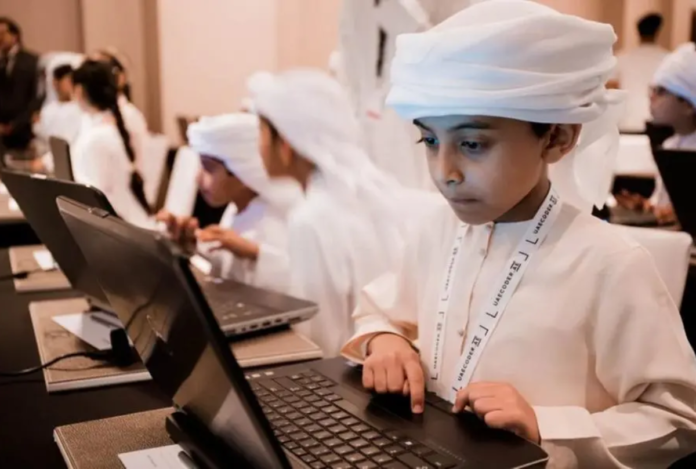
The framework replaces the previous computing, creative design, and innovation subject with Artificial Intelligence and Technology. Consequently, students gain skills for technological advancement, aligning learning with national priorities.
Early education integrates social studies, moral education, and the arts. Meanwhile, secondary schools provide double-period arts sessions in visual arts, music, and theatre to enhance practical skills. Core subjects, science courses, electives, and academic support sessions appear clearly in Grades 11 and 12 timetables.
Mathematics and science in Grade 9 advanced stream continue in English. Students remain on the same academic path from Grade 11 to Grade 12, ensuring continuity. In addition, literacy programs for Grades 1–6 expand, and Emirati women can complete Grades 7–12 through remote digital learning.
Inclusive education remains central. Teachers implement individual education plans for students of determination. They adapt curricula, modify teaching methods, and use tailored assessments according to national evaluation policies.
Ultimately, the UAE 2026–2027 teaching plan creates flexible, inclusive, and innovative learning environments. It equips students with skills for national development and prepares them for future global challenges.
