
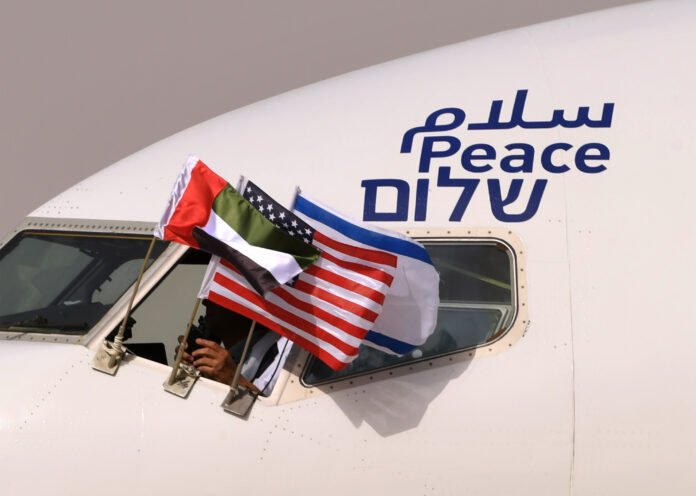
After the fragile Gaza ceasefire, the United Arab Emirates urged regional leaders to adopt a realistic peace strategy. This approach, the UAE explained, is vital for achieving lasting stability and trust across the Middle East. Anwar Gargash, diplomatic adviser to the UAE president, said peace requires balance between Israel’s security and Palestinian statehood. Speaking at the Reuters NEXT Gulf Summit in Abu Dhabi, he urged all parties to abandon outdated political methods. He also called for practical solutions that ensure progress and fairness for both Israelis and Palestinians.
Gargash’s remarks suggest a shift in Arab diplomacy, calling for compromise instead of confrontation. He noted that maximalist views have failed and that new thinking is essential. This aligns with the UAE’s long-term vision to promote dialogue, rebuild trust, and encourage economic cooperation among nations. Moreover, the UAE hopes to use its influence to guide upcoming discussions on Gaza’s reconstruction and the broader peace process.
Regional analysts say the UAE’s message signals a turning point. It encourages regional powers to rethink alliances and focus on shared prosperity. Israel continues to reject the establishment of a Palestinian state, while Palestinians remain politically divided between Hamas and the Palestinian Authority. Despite these challenges, the UAE insists that only a realistic peace strategy can prevent further conflict.
As the ceasefire remains fragile, attention now turns to rebuilding Gaza and restoring hope among civilians. The UAE plans to take an active role in reconstruction efforts and support diplomatic initiatives that promote regional stability. By advocating a realistic peace strategy, the country aims to bridge divides and push the Middle East toward a sustainable future of cooperation and coexistence.
