
Saudi Arabia is asserting Saudi diplomatic leadership amid rising tensions with the UAE, following false reports about recent regional events. The kingdom emphasizes dialogue, coordination, and regional stability as key priorities.
The conflict reportedly began after Abu Dhabi acted on false information. The UAE believed Riyadh requested U.S. sanctions during the Saudi Crown Prince’s Washington visit in November. According to CNN, the misinformation prompted the UAE to mobilize Southern Transitional Council (STC) forces near Saudi borders. Riyadh clarified it had made no such request.
Saudi and UAE officials signaled continued cooperation despite misunderstandings. Riyadh reaffirmed support for dialogue among Yemeni parties. Abu Dhabi stressed loyalty to Saudi security and sovereignty. These actions highlight Saudi diplomatic leadership in preventing escalation.
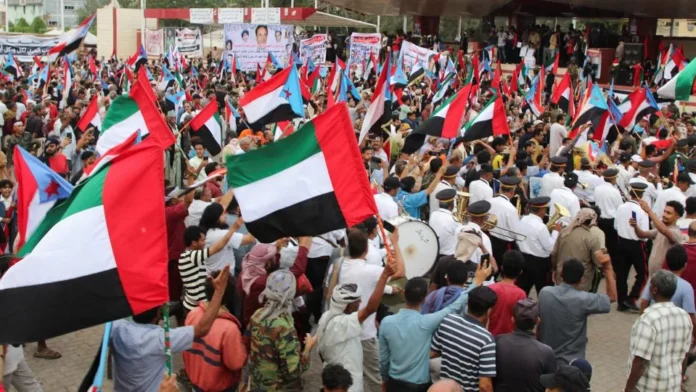
In Yemen, Saudi forces launched targeted operations to ensure STC compliance. After the UAE withdrew troops, the STC initially sought secession. Intense pressure from Riyadh and allies reduced their territorial control. The STC later expressed willingness to negotiate with other Yemeni factions.
Saudi Arabia stressed that Southern Yemen’s future must be decided through dialogue, not conflict. The kingdom invited all parties, including the Yemeni government and the STC, to Riyadh. Many Arab and Muslim countries supported this effort, reflecting confidence in Saudi diplomatic leadership to manage regional disputes.
Concerns extend beyond Yemen. Riyadh is wary of UAE policies in Sudan, the Horn of Africa, and Syria. Officials cited Abu Dhabi’s engagement with groups that could destabilize the region. Saudi Arabia also opposed Israel’s recognition of Somaliland, arguing unilateral actions must not disrupt regional security.
Additionally, Saudi Arabia maintains a firm stance on the Israeli-Palestinian issue. While the UAE normalized ties with Tel Aviv, Riyadh insists on recognition of a Palestinian state first. The kingdom also calls for a credible, irreversible two-state solution.
Overall, the events show Saudi Arabia balancing influence with diplomacy. By prioritizing negotiation, clarity, and cooperation, Riyadh seeks to protect sovereignty, deter conflict, and reinforce Saudi diplomatic leadership across the region.
