
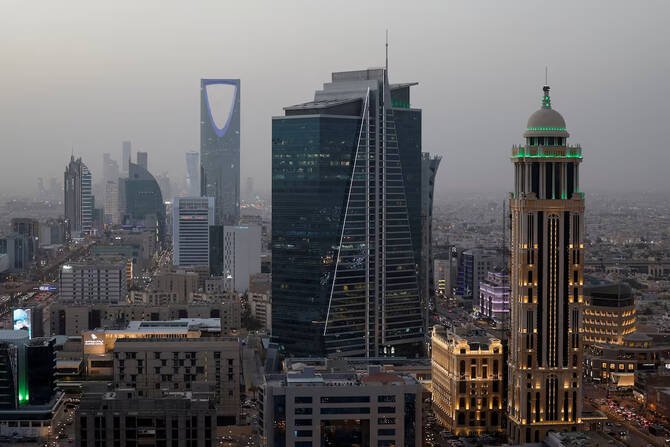
Saudi Arabia officially allows foreign buyers to enter its real estate market, marking a historic step in property reform. The government expects this move to attract international investment, improve project quality, and strengthen the overall real estate sector. Analysts believe foreign real estate ownership could reshape development in major urban and commercial areas.
The legislation took effect on January 22 under the national real estate framework. Foreign individuals, companies, and entities can now own property in key cities like Riyadh and Jeddah. However, Saudi authorities restrict ownership in Makkah and Madinah to Saudi companies and Muslim individuals. They will release the Geographic Zones framework in early 2026 to clarify these rules further.
All non-Saudis must submit property applications through the Saudi Arabia Real Estate portal. Residents also apply directly using their residence permits, and the portal verifies legal requirements automatically. Non-residents start applications through Saudi embassies or consulates to obtain a digital identification number, which they use to complete the process online.
Foreign companies and entities without a local presence must register first with the Ministry of Investment via the “Invest Saudi” platform. After obtaining a unified registration number, they finalize property ownership electronically through the portal. This system ensures transparency, protects property rights, and links all transactions with the national real estate registry.
Authorities expect international developers and specialized firms to join the market. They anticipate that residential, commercial, industrial, and tourism projects will improve in quality and efficiency. Increased foreign participation will also create job opportunities for Saudi citizens and support sustainable sector growth.
Experts note that foreign real estate ownership strengthens the real estate sector’s contribution to Saudi Arabia’s non-oil GDP. By expanding ownership rights, the government diversifies the economy and encourages high-quality urban development. The reforms reflect a long-term strategy to integrate global expertise into local markets.
Overall, foreign real estate ownership opens new opportunities for investors, developers, and local communities. Saudi Arabia aims to foster urban growth, economic diversification, and a modernized property market. With careful implementation, these reforms could redefine the Kingdom’s real estate landscape for years to come.
