
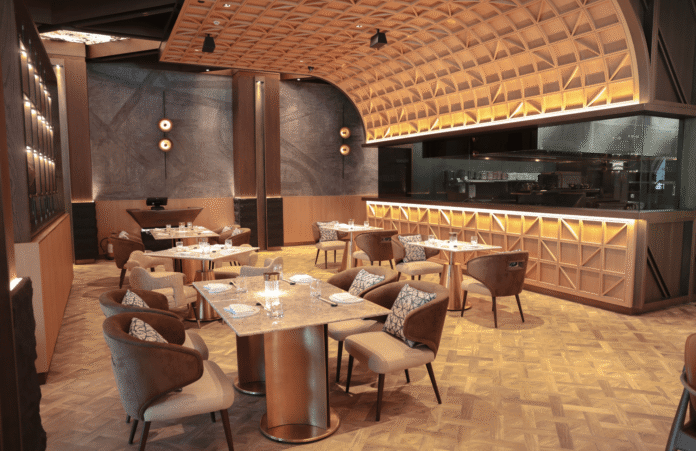
Saudi Arabia fine dining growth transforms culinary industry through new regulations, investment attraction, and support for local entrepreneurs. The government recently introduced a clear framework for luxury restaurants, including service rules, layout standards, and licensing categories. These steps aim to raise quality, improve safety, and boost global investor confidence.
Meanwhile, this formal structure supports Vision 2030’s goals of economic diversification and tourism growth. Luxury dining now plays a major role in positioning Saudi cities as regional lifestyle destinations. More importantly, it also strengthens the country’s hospitality and food sectors while empowering young Saudi chefs.
Saudi Arabia fine dining growth transforms culinary industry by expanding job opportunities. Elena Caron, a director at Fragomen, noted that demand now extends beyond chefs to include logistics, supply, and tech professionals. At the same time, restaurants must meet labor laws, Saudization quotas, and sourcing rules to operate successfully.
Restaurants are also forming direct ties with Saudi farms to meet traceability standards. These partnerships help boost local agriculture and improve food safety. Ahmad Al-Zaini, CEO of Foodics, explained that fine dining businesses now want better tech tools. They need smart kitchens, real-time analytics, and smooth guest service systems.
As a result, premium dining contributes to real estate and tourism expansion. According to Patrick Samaha from Kearney, luxury food venues have fueled growth in areas like Jeddah Corniche and King Abdullah Financial District. Mixed-use projects now include signature restaurants as essential features to attract visitors and investors.
Saudi Arabia fine dining growth transforms culinary industry by blending local flavors with global techniques. International brands like Le Petit Chef and COYA have launched branches, while homegrown entrepreneurs launch original concepts. These dining experiences celebrate Saudi culture and showcase the country’s culinary talent.
Several government programs support this movement. Initiatives like the Culinary Incubator and Human Capability Development Program trained thousands of Saudis in food and hospitality. These efforts prepare a new generation of chefs to lead the next wave of innovation.
Moreover, Riyadh and Jeddah now lead the country’s culinary transformation. Young consumers, tech adoption, and cultural events drive this shift. Restaurants use AI to design menus, cut waste, and personalize service. Meanwhile, events like Layali Diriyah highlight food as a tool for cultural expression.
Leaders agree that Saudi dining will not copy Western trends. Instead, chefs will create unique, sustainable, and locally inspired experiences. This shift supports the Kingdom’s strategy to rebrand itself as a global culinary destination.
