
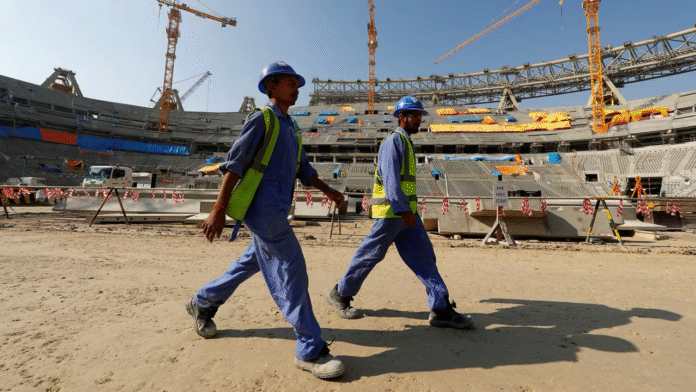
Saudi Arabia officially abolished its decades-old Kafala labour system, marking a historic step to enhance migrant worker freedom. The reform affects around 13 million foreign workers, primarily from South and Southeast Asia. The reform is granting them unprecedented rights and legal protections.
The Kafala system, introduced in the 1950s, tied migrant workers’ legal status and employment rights to local sponsors, giving employers nearly total control. Under the old system, workers needed sponsor permission to change jobs, leave the country, or access legal remedies. Critics often compared Kafala to modern-day slavery due to widespread exploitation, passport confiscation, wage delays, and restricted movement.
Under the new framework, Saudi Arabia replaced sponsorship with a contract-based employment model. Migrants can now change jobs freely, exit the country without sponsor approval, and access strengthened labour courts. Furthermore, authorities aim to ensure safe mechanisms for reporting violations and resolving grievances. These reforms reflect Saudi Arabia’s Vision 2030 goals to modernize society, improve foreign labour conditions, and attract skilled talent.
The changes will significantly impact South Asian workers, including those from India, Bangladesh, Nepal, and the Philippines. Many serve in construction, domestic work, and tourism sectors. By ending practices like restricted movement and delayed wages, the government strengthens migrant worker freedom, promoting fairness and dignity in the workplace.
Additionally, officials emphasize that these reforms improve Saudi Arabia’s global reputation, encourage skilled labour inflows, and support economic diversification beyond oil dependency. Through clear legal protections, the country seeks to create a fairer, safer environment for all foreign workers.
Experts note that enforcing these reforms will remain crucial. Cultural shifts and systematic implementation will determine whether migrant worker freedom becomes a practical reality. Authorities have pledged ongoing monitoring and educational campaigns to ensure compliance and prevent retaliation.
By dismantling the Kafala system, Saudi Arabia joins other nations in recognizing workers’ rights as essential for progress. The reforms underline that migrant worker freedom is no longer a distant aspiration but a key component of the kingdom’s future economic and social development.
