
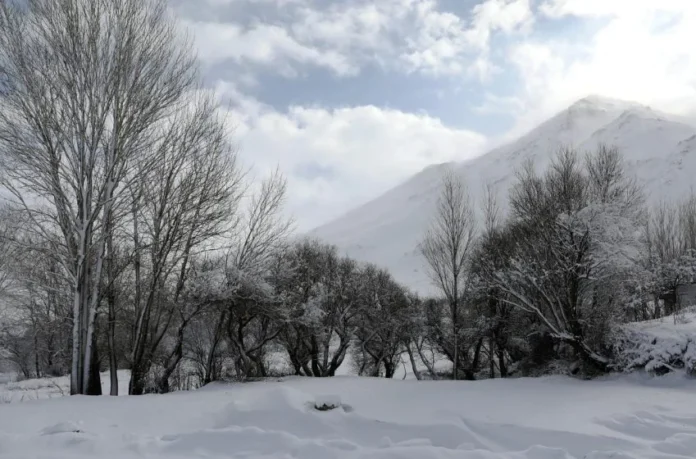
Kurdistan’s water resources have seen a significant boost this season as rainfall more than doubled compared to last year. Meteorology officials reported heavy rain across Erbil, Sulaimani, Duhok, and Halabja provinces. This rise in precipitation comes after several years of worsening drought. Authorities also forecast a new wave of snowfall beginning Monday, expected to last at least three days.
Erbil recorded 275 millimeters of rain, compared to just 45.8 millimeters last season. Sulaimani received 427.7 millimeters, up from 188.1 millimeters, while Duhok reached 234.7 millimeters, a sharp rise from 34 millimeters. Halabja also saw higher rainfall, totaling 367.4 millimeters, up from 241 millimeters the previous year. These increases highlight the region’s improving water situation while signaling potential challenges from sudden storms.
Meteorology officials warned that temperatures will drop by two to three degrees Celsius as the snow wave moves in. Residents are advised to take precautions during the upcoming weather, particularly in mountainous areas where snowfall could affect roads and daily life. Meanwhile, water reserves in regional dams have increased by about 500 million cubic meters since early December, according to the Kurdistan Region’s Dams Department.
Despite the improved rainfall, officials stress that Kurdistan’s water resources remain under pressure. Prolonged droughts in Sulaimani and Duhok forced some residents to leave their villages. Additionally, Iraq’s reliance on the Tigris and Euphrates rivers remains a concern, as upstream dam projects in Turkey have reduced flows to less than 40 percent of historic levels. Climate factors such as declining rainfall, rising temperatures, and poor water management further complicate the situation.
In December, three consecutive days of heavy rain triggered flash floods across the Kurdistan Region and Kirkuk province. The floods caused casualties, injuries, and extensive property damage. Authorities responded quickly to contain the impact and protect communities. These events emphasize the importance of monitoring and managing Kurdistan’s water resources effectively.
Overall, the season’s rainfall provides relief for local communities and agricultural lands. However, authorities continue to urge careful planning and sustainable management of Kurdistan’s water resources to prevent future shortages. Snowfall, increasing dam reserves, and rainfall must be balanced with long-term water security strategies to ensure the well-being of the population and environment.
