
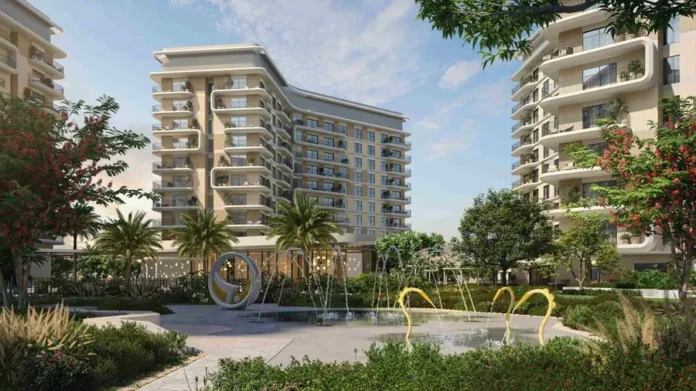
The Qatar property boom gained momentum as the country’s real estate sector recorded significant growth in transactions and value during the past year. Market data shows strong investor activity across residential, commercial, and land segments. The trend reflects expanding confidence in Qatar’s long-term economic and urban development strategy. Analysts link this performance to ongoing reforms and diversification efforts.
The Qatar property boom became visible through 5,154 real estate transactions valued at more than 20.9 billion Qatari riyals. This marked a sharp rise compared to the previous year’s performance. Transaction volume and overall value both increased significantly, signaling stronger demand across key municipalities. Market activity peaked in several months, particularly during mid-year and late-year trading cycles.
The Qatar property boom also reflected uneven but strong quarterly performance throughout the year. The second and fourth quarters recorded the highest transaction values. Meanwhile, the first and third quarters maintained steady growth supported by consistent market demand. This pattern highlights sustained investor engagement rather than short-term speculation.
Officials attributed this expansion to structural reforms and long-term planning initiatives. The national development strategy continues to prioritize real estate as a core economic driver. In addition, improved regulatory frameworks helped increase transparency and attract both local and international investors. These conditions supported broader market stability.
Doha remained the leading hub for real estate activity, followed closely by Al Rayyan and Al Wakrah. These areas accounted for the majority of total transaction value. Other municipalities, including Al Daayen and Umm Slal, also contributed steadily to overall growth. Smaller regions recorded lower volumes but still showed active participation in land and property trades.
The Qatar property boom also appeared in pricing trends across different districts. Property values per square foot varied depending on location and demand intensity. Doha recorded the highest average prices, reflecting its status as a central business and residential hub. In contrast, outer municipalities maintained more affordable price levels, attracting mid-range investment activity.
Market indicators show that residential and land transactions dominated overall activity. Investors concentrated on high-demand zones with strong infrastructure and development potential. Moreover, urban expansion projects continue to support long-term growth expectations in the sector.
The real estate sector also aligns with Qatar’s broader economic diversification goals. Authorities aim to reduce dependence on hydrocarbons and strengthen non-energy industries. Real estate plays a central role in achieving this transition by attracting long-term capital and supporting urban development.
The Qatar property boom therefore reflects more than short-term market momentum. It signals a structural shift in investment behavior and economic planning. With continued policy support and infrastructure development, analysts expect sustained growth in the coming years.
