
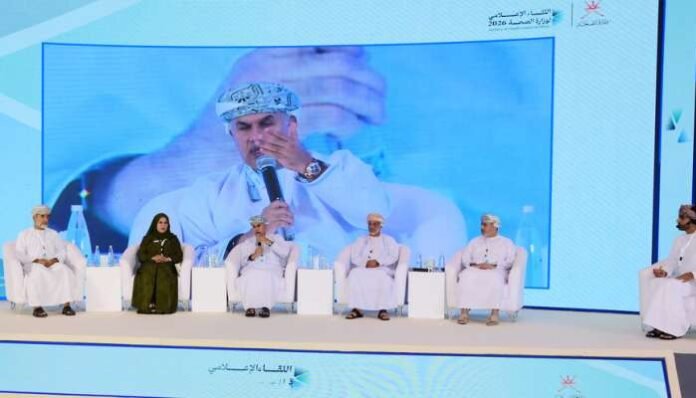
Oman’s health transformation accelerates as the Ministry of Health reports a year of historic medical progress. Moreover, Oman’s health transformation accelerates through digital expansion, infrastructure growth, and advanced surgeries performed locally. As a result, Oman’s health transformation accelerates in line with national development goals and long-term sustainability plans.
Officials in Muscat outlined major improvements across hospitals and specialized centers. They linked these achievements to the objectives of Oman Vision 2040. Consequently, the sector continues to strengthen preventive, curative, and rehabilitative services nationwide.
Hospitals reduced waiting times significantly during 2025. Genetics clinic appointments dropped from eight weeks to three weeks. Endocrinology visits fell from six weeks to two weeks. Chemotherapy waiting periods decreased from four weeks to just ten days. Emergency departments also reduced waiting times by up to 40 percent.
Furthermore, doctors expanded same-day surgeries and specialized procedures. Teams at Royal Hospital performed the country’s first successful heart transplant. Surgeons also carried out 38 kidney transplants and 16 liver transplants. In addition, specialists completed 113 corneal transplants and introduced advanced neuromicrosurgery techniques.
Doctors implanted the first artificial heart device, HeartMate 3, in Oman. They also separated conjoined twins in a landmark operation. Meanwhile, surgeons completed more than 120 complex spinal surgeries within six months. These achievements highlight the ministry’s focus on localizing advanced care.
Digital healthcare expanded rapidly throughout the year. Facilities reduced pharmacy waiting times from 40 minutes to 15 minutes using QR systems. Doctors conducted 45,000 virtual consultations and continue working toward higher targets. Additionally, 65 percent of facilities connected to integrated digital imaging systems.
Artificial intelligence also supported preventive screening programs. Health teams examined over 25,000 diabetic patients using AI-based retinal screening. Meanwhile, the National Center for Virtual Health introduced remote radiology and second medical opinion services.
Infrastructure development strengthened equitable access across regions. Authorities activated cardiac catheterization units in Sohar, Nizwa, and Sur. New hospitals opened in Suwaiq, Khasab, and Al Mazunah. Consequently, emergency overcrowding dropped by up to 40 percent in several areas.
The ministry completed 11 infrastructure projects in 2025 and launched 15 more for 2026 and 2027. Planned projects include a National Center for Women’s and Child Health and a National Rehabilitation Center. Officials also continue expanding pharmaceutical localization efforts.
Local factories now produce more medicines domestically. Authorities reduced drug evaluation time from 180 days to 90 days. They also lowered prices for 227 medicines during 2025. Since 2021, officials have reduced prices for 591 products.
The health workforce also expanded steadily. Employee numbers grew by 17 percent between 2021 and 2025. Omanization reached 71.4 percent, especially in nursing and support roles.
International organizations recognized several institutions for patient safety initiatives. The World Health Organization acknowledged Oman’s progress in eliminating trans fats from food products.
Overall, Oman’s health transformation accelerates through strategic planning, advanced technology, and national capacity building. Officials stress that innovation, governance reform, and digital integration will drive the next phase of healthcare development.
