
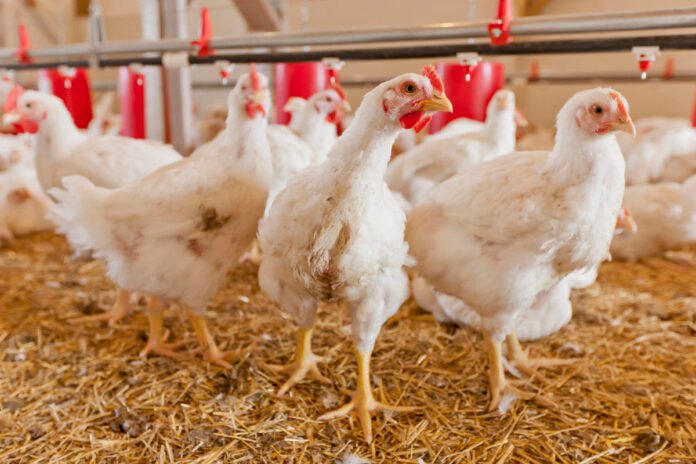
Oman announced a poultry import ban from Kerala after authorities raised veterinary health concerns. The decision reflects growing attention to food safety and animal health protection. Moreover, officials stressed that preventive action remains necessary during potential health risks. Therefore, the country moved quickly to protect local markets and consumers.
The Ministry of Agriculture, Fisheries and Water Resources issued the decision following expert evaluations. Veterinary authorities reviewed the animal health situation in Kerala before recommending action. As a result, officials concluded that imports could pose a potential risk. Consequently, Oman implemented immediate restrictions on affected poultry items.
Under the decision, the ban covers live birds originating from Kerala. It also includes poultry products, derivatives, and related waste materials. In addition, authorities confirmed that the restriction applies strictly to products linked to the region. This approach helps ensure targeted enforcement without broader trade disruption.
However, officials clarified important exceptions within the decision. The ban does not include poultry products that meet international safety standards. Specifically, thermally treated or processed products remain allowed. These products must comply with the Terrestrial Animal Health Code standards.
The World Organisation for Animal Health issues these international standards. Authorities emphasized compliance as a key requirement for continued imports. Therefore, exporters must follow strict treatment procedures before shipment. This measure balances safety with ongoing trade continuity.
Officials explained that the ban will remain temporary. The restriction will stay in effect until authorities eliminate the underlying health risk. Afterward, officials will issue a new decision lifting the ban. This process ensures flexibility based on updated health assessments.
Meanwhile, the ministry continues monitoring regional animal health developments. Officials stressed the importance of early intervention to prevent disease spread. As a result, Oman maintains strict oversight of agricultural imports. Such measures protect domestic livestock and public health.
Authorities also highlighted the importance of international cooperation. Sharing health data helps countries respond quickly to emerging risks. Therefore, Oman continues coordinating with relevant veterinary bodies. This coordination strengthens regional food safety systems.
The decision reflects Oman’s broader commitment to agricultural safety. Officials prioritize preventive action over reactive measures. Consequently, import controls remain a key policy tool. These controls help maintain consumer confidence and market stability.
Trade officials reassured businesses about supply continuity. Alternative sources can meet domestic poultry demand during the ban. In addition, authorities encouraged traders to follow updated import guidelines carefully. Clear communication helps avoid disruption and confusion.
Finally, officials reiterated that public health remains the top priority. Protecting consumers requires decisive and timely action. For this reason, Oman enforced the poultry import ban from Kerala. Authorities emphasized that safety-driven policies strengthen long-term trade resilience. Once conditions improve, Oman will review the poultry import ban from Kerala accordingly.
