
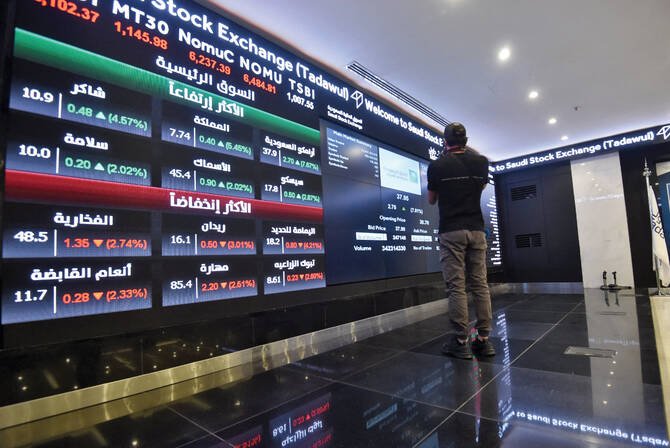
Saudi Arabia’s Nomu market is reshaping opportunities for small and medium enterprises (SMEs), giving them vital access to public funding. Since its launch in 2017, Nomu has helped smaller firms raise capital, expand operations, and strengthen governance. Experts say the Nomu market is now a cornerstone of the Kingdom’s Vision 2030 economic diversification plan.
Over 60 percent of Nomu-listed companies operate in technology, healthcare, logistics, education, and consumer services. These sectors align directly with Saudi Arabia’s Vision 2030 goals. By supporting non-oil growth, the Nomu market accelerates innovation, job creation, and private-sector expansion.
Before Nomu existed, public market access mainly benefited large, established corporations. Today, Nomu opens the equity ecosystem to fast-growing SMEs seeking capital. Companies listed on Nomu raise funds ranging from SR10 million to SR100 million, offering founders resources to scale operations efficiently.
Nomu also serves as a “training ground” for companies preparing for the main market. It helps firms adopt strong corporate governance, financial discipline, and investor credibility. Programs like Monshaat’s Tomoh initiative further prepare high-growth businesses for listing and funding opportunities.
Experts highlight that Nomu lowers entry barriers compared to the main exchange. Firms only need a market capitalization of SR10 million, compared to SR300 million for Tadawul’s main market. This allows a broader range of SMEs to enter public markets, diversify funding sources, and enhance their market visibility.
Trading flexibility is another key advantage. Nomu offers direct listings, semi-annual reporting, and relaxed compliance rules, enabling SMEs to manage transparency without high costs. Regulators continue improving accessibility by expanding qualified investor categories, including local institutions, GCC companies, and select foreign investors.
Market players emphasize that Nomu strengthens Saudi Arabia’s private sector role. By providing public funding alternatives to bank loans, the parallel market drives sustainable growth and economic resilience. Investors gain broader deal flow, while SMEs receive vital capital to scale operations efficiently.
By the end of 2025, over 125 companies had listed on Nomu, marking a clear trend toward inclusive and diversified capital markets. Experts agree that the Nomu market is now a critical springboard for SMEs, enabling sustainable growth and contributing meaningfully to the Kingdom’s Vision 2030 goals.
