
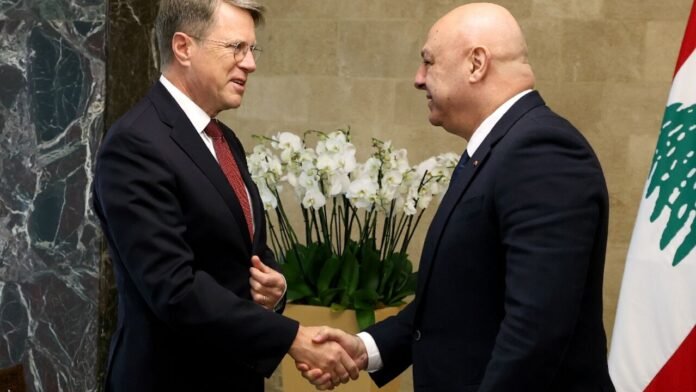
Lebanon President will begin a two-day official visit to Oman on Tuesday, and the trip aims to boost regional cooperation, a priority for both countries. The visit comes as both sides continue strengthening long-standing ties while also expanding dialogue on fast-changing regional issues.
Lebanon President Joseph Aoun will arrive in Muscat for meetings focused on political coordination and broader economic interests. The Royal Court noted that both countries value their relationship and seek steady progress through practical steps. The statement also emphasized their shared commitment to regional cooperation, especially as regional developments continue to evolve quickly.
The two-day visit will include several discussions that highlight common priorities. Leaders will explore ways to enhance joint efforts across different sectors. Moreover, both sides want to build smoother channels for future coordination. Because the region faces constant changes, officials believe timely talks will create stronger diplomatic momentum.
During this visit, the two governments will exchange views on regional shifts and global developments. They aim to ensure that both sides understand each other’s perspectives clearly. Additionally, they will consider new areas where cooperation can grow. Both countries want to move forward with confidence and build on the progress they have already made.
Lebanon continues seeking stable international partnerships, and Oman offers an important platform for constructive dialogue. Omani officials also hope this visit will support balanced policymaking across the region. Consequently, both sides expect meaningful outcomes from the consultations. Their talks will also address broader Arab coordination efforts, since many regional challenges require unified responses.
Furthermore, the visit highlights a long history of respectful engagement between Lebanon and Oman. Leaders from both nations believe regular communication helps maintain stability. Therefore, they intend to keep developing deeper ties that serve the interests of both peoples. The focus on regional cooperation reinforces that shared vision.
Officials said the visit will strengthen diplomatic bridges and encourage continuous collaboration. They also expect the meetings to create practical steps that bring the two countries closer. As both sides look ahead, they remain committed to building a partnership shaped by trust, dialogue, and forward-looking policies.
The visit reflects a mutual desire for progress, stability, and coordinated action. It also sets the stage for stronger relations that respond to today’s changing regional landscape. In short, Lebanon and Oman continue choosing dialogue and cooperation as guiding principles for their future.
