
Kuwaiti humanitarian organizations are urgently working to deliver critical aid to Gaza. They face significant logistical and political challenges at the border. The humanitarian situation in Gaza continues to deteriorate rapidly. Consequently, groups like Kuwait’s Al-Rahma International Society are mobilizing resources. They aim to provide immediate relief to besieged families.
Dr. Waleed Al-Anjari leads Al-Rahma’s Palestine Office. He recently emphasized the desperate need for basic supplies. “Families in Gaza urgently need clean water and basic food supplies,” he stated. He also highlighted the critical shortage of temporary shelter and vital medicines. Therefore, their current efforts focus squarely on these areas.
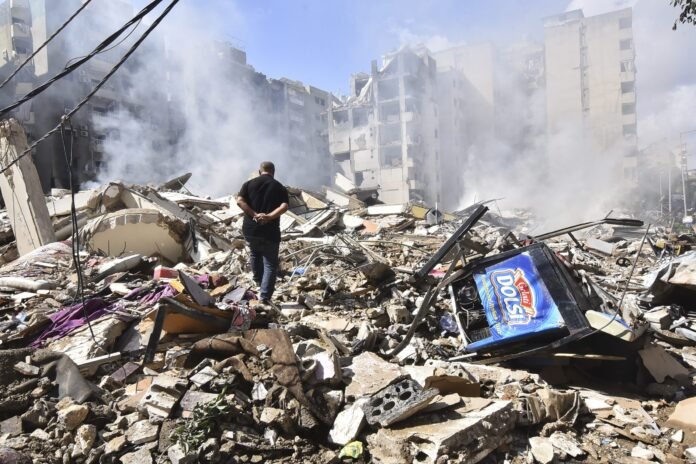
Specifically, Al-Rahma has pre-positioned 3,000 tents in Al-Arish, Egypt. These tents were prepared in Pakistan for quick deployment. They will enter Gaza just as soon as access is permitted. “These tents will ease the suffering of our people,” Dr. Al-Anjari explained. Many Gazans have lost their homes or been forcibly displaced.
Additionally, repairing damaged wells is a top priority. Al-Rahma collaborates closely with the Kuwait Red Crescent Society (KRCS). Together, they sent tons of food from Kuwait Flour Mills. This food has already arrived in Al-Arish. It awaits final permission to cross into Gaza.
KRCS General Manager Fawaz Al-Mazrouei detailed the complex coordination required. All items are selected carefully with the Palestinian Red Crescent. This ensures they meet entry requirements. The Egyptian Red Crescent will then oversee distribution. This partnership guarantees volunteer safety and full documentation of aid delivery.
Nevertheless, immense hurdles remain at the Rafah crossing. Hundreds of aid trucks sit stranded in the Egyptian desert. Reports indicate shipments face rejection for minor issues. Rejected items include oxygen tanks and medical equipment. One frustrated UN staffer criticized the seemingly arbitrary reasons.
International agencies also confirm major bottlenecks for shelter materials. Over 1.3 million Gazans lack proper shelter. Many live in makeshift tents or rubble. Despite announcements allowing tents, bureaucratic obstacles persist. Groups like CARE International and the Norwegian Refugee Council lack authorization.
The crisis has also drastically increased the number of orphans. Previously, Al-Rahma supported over 6,000 children. That number has now surged to more than 60,000. This creates an urgent need for expanded sponsorship programs. Dr. Al-Anjari also lamented the destruction of the Kuwait Specialized Hospital. This facility was a critical resource in one of Gaza’s poorest areas.
Despite these daunting challenges, Kuwaiti aid groups remain steadfast. Their commitment to providing relief is unwavering. They hope a temporary ceasefire will soon allow aid to flow freely. Ultimately, they will continue their efforts until the people of Gaza receive the help they desperately need.
