
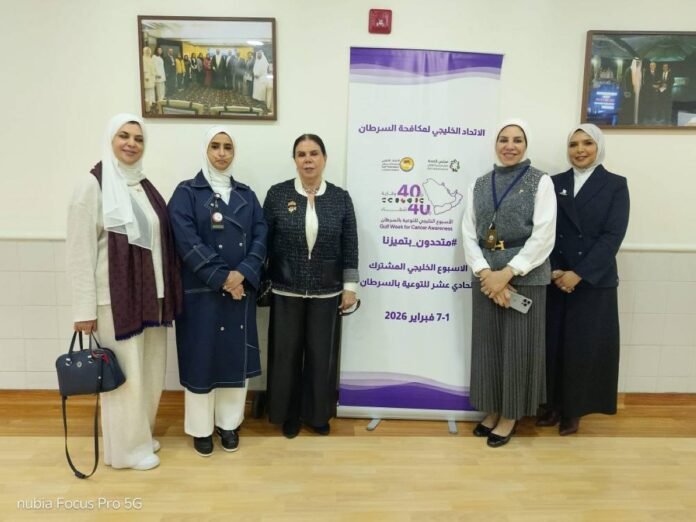
Kuwait cancer recovery rates have risen by 40 percent over the past ten years, reflecting major progress in public health awareness. Early detection and timely medical care now play a pivotal role in improving survival outcomes. Moreover, growing campaigns and educational programs have encouraged people to seek treatment sooner, significantly enhancing recovery.
The National Campaign for Cancer Awareness reported that most patients now receive treatment at stages one or two. Previously, the majority sought care in later stages, which lowered survival odds. As a result, current recovery rates have surpassed 85 percent in many cases. This demonstrates how Kuwait cancer recovery rates benefit directly from early medical consultations.
Over the decade, awareness initiatives have expanded across the country. Civil society organizations and health ministries conducted workshops, seminars, and campaigns. These programs educated communities about prevention, screening, and early intervention. Consequently, studies show a 30 percent rise in public knowledge regarding cancer management. Fear of the disease has also declined, with many now viewing it as a manageable chronic condition.
The improvements coincide with regional health efforts. The 11th GCC Joint Week, held under the slogan “United by Our Excellence,” gathered health experts and institutions. More than 45 initiatives took place, including lectures, exhibitions, and community events. These activities reinforced prevention and early detection as critical strategies.
Health leaders highlighted that breast cancer detection exemplifies broader progress. Women increasingly seek screenings early, which boosts treatment success. In addition, oncology specialists noted that enhanced hospital infrastructure and advanced treatment protocols contributed to rising recovery rates. Together, these factors helped achieve substantial improvements in survival outcomes.
Experts also stressed the importance of continuous education. Schools, workplaces, and media channels now actively promote awareness. Furthermore, campaigns target high-risk populations to ensure timely screenings. Public engagement has strengthened, forming a foundation for long-term health benefits.
Looking forward, health authorities plan to expand initiatives further. They aim to increase community outreach, improve diagnostic facilities, and integrate modern technologies. These steps are expected to sustain positive trends in cancer care. Ultimately, the data underscores the link between awareness, early intervention, and improved patient outcomes.
The rising Kuwait cancer recovery rates reflect a decade of dedication to public health and proactive treatment strategies.
