
Kuwait marks 35 years since the first liberation airstrike, a defining moment in its modern history. This anniversary reflects the nation’s resilience and the unwavering courage of its people.
On January 17, 1991, the first liberation airstrike by coalition forces signaled the start of Operation Desert Storm. It aimed to end Iraq’s brutal invasion of Kuwait and restore the country’s sovereignty. The Iraqi invasion on August 2, 1990, challenged Kuwait’s stability and tested its citizens’ loyalty to their leadership.
From the onset, Kuwait and the United Nations called for immediate action. The UN Security Council passed Resolution 660, condemning Iraq’s invasion and demanding a complete withdrawal. Later, Resolution 678 set January 15, 1991, as the final deadline for Iraq to leave Kuwaiti territory, authorizing military action if ignored.
In response, US President George H.W. Bush approved the operation, with coalition forces preparing for immediate action. Saudi Arabia also urged Iraq to withdraw, but the efforts received no response. Consequently, coalition forces launched the first liberation airstrike at dawn on January 17, involving 1,800 aircraft targeting key Iraqi sites.
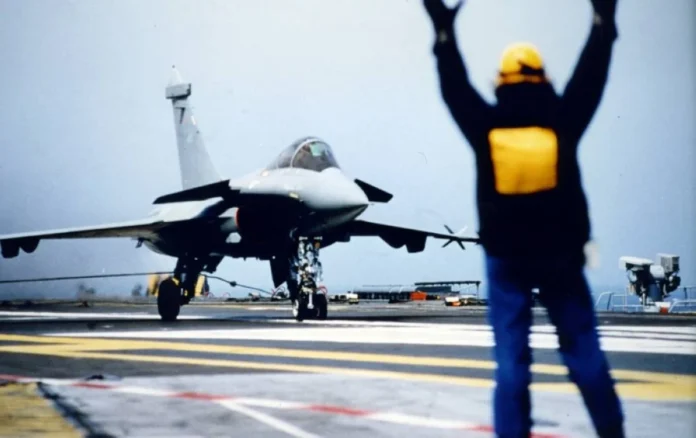
The strikes involved a diverse international fleet. US F-117 aircraft destroyed communication hubs in Baghdad, while British Tornado jets targeted airports. French and Italian warplanes struck missile sites. Kuwait’s air forces supported the attacks within its territory, disrupting Iraq’s defenses and jamming electronic systems.
The operation involved more than 750,000 soldiers, including 500,000 Americans, 30,000 Britons, 13,000 French, and 200,000 Arab troops. Over 400 fighter jets executed 1,200 strikes on the first day, crippling nearly half of Iraq’s air power. Advanced technology, including Tomahawk missiles and AH-64 Apache helicopters, ensured precision and minimized coalition casualties.
After weeks of aerial bombardment, Iraq accepted a ceasefire proposal in February 1991. Coalition ground forces then entered Kuwait and southern Iraq to secure liberation. By February 27, 1991, Kuwait regained its freedom, ending the occupation and reaffirming the strategic importance of modern air operations.
The anniversary of the first liberation airstrike reminds Kuwaitis of the courage, determination, and international collaboration that restored their nation’s sovereignty. It also emphasizes how modern warfare and air power reshape security and regional stability. Kuwait continues to honor this historic day, preserving the memory of those who fought for its freedom.
