
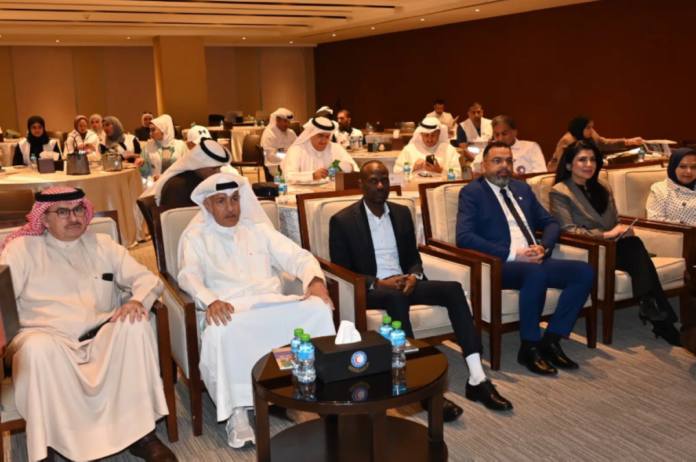
The Kuwait Red Crescent Society is strengthening Disaster Preparedness through a three-day workshop with the International Committee of the Red Cross. The programme aims to improve how staff and volunteers plan for emergencies, manage disasters and protect affected communities.
KRCS board member Yousef Al-Zabin highlighted the importance of preparation during Monday’s workshop opening. He explained that effective humanitarian assistance requires planning and training well before an emergency occurs. Teams must develop the necessary skills and readiness to respond quickly when communities face difficult circumstances.
Al-Zabin said the society considers preparation essential to reducing disaster risks and protecting lives and property. He also stressed that humanitarian response depends on people who understand their responsibilities and can make informed decisions under pressure.
Since its establishment, KRCS has supported communities during crises and disasters inside Kuwait and internationally. Its work includes organising relief operations, supplying essential items and helping affected people access shelter and humanitarian care. Furthermore, the society coordinates with national Red Crescent organisations and other relief partners to support people facing emergencies.
Al-Zabin said KRCS invests considerable effort in developing its employees and volunteers. He described trained personnel as the foundation of an effective humanitarian response system. Through practical learning and shared experience, teams can strengthen their ability to manage unexpected situations and make sound decisions.
The three-day programme covers several areas of emergency planning and humanitarian operations. Participants examine core disaster management principles, safe access procedures and ways to protect personnel during field missions. In addition, sessions address international humanitarian law and the challenges associated with extreme weather.
Shelter management also forms a central part of the training. Participants learn about operating shelters and accommodation centres for people displaced or affected by emergencies. These skills help humanitarian teams organise support and respond to the immediate needs of vulnerable communities.
Al-Zabin welcomed the partnership with the ICRC and the involvement of specialists from different fields. He particularly recognised contributions from experts at Kuwait’s Directorate General of Civil Aviation. Their participation helps connect humanitarian knowledge with technical expertise and strengthens coordination between relevant organisations.
He added that cooperation between humanitarian and technical bodies can improve emergency planning. Sharing international experience also allows participating teams to learn from established practices and strengthen their operational readiness.
ICRC Head of Cooperation Hassan Idris explained that the organisation contributes technical knowledge through its ongoing partnership with KRCS. The workshop gives humanitarian workers an opportunity to develop practical skills for managing disasters and responding to emergencies.
Idris said ICRC trainers are leading sessions on disaster management and initial emergency assessments. They also explain how humanitarian organisations can distribute assistance according to the needs of affected communities.
He highlighted field assessments as an important part of an effective relief operation. Teams must identify urgent needs, monitor conditions and determine which communities require immediate assistance. Consequently, accurate assessments help organisations direct available resources towards the people facing the greatest difficulties.
The training also reinforces the importance of prioritising humanitarian needs during aid distribution. By gathering reliable information, response teams can make better decisions and avoid wasting limited resources.
Idris praised KRCS for its humanitarian activities in Kuwait and abroad. He also recognised the society’s continued investment in staff and volunteer development. Both organisations view their partnership as an important way to strengthen Disaster Preparedness and improve coordination during future emergencies.
The workshop highlights the value of cooperation, practical training and early planning. Ultimately, these efforts aim to help humanitarian teams respond more effectively when disasters threaten communities and essential services.
