
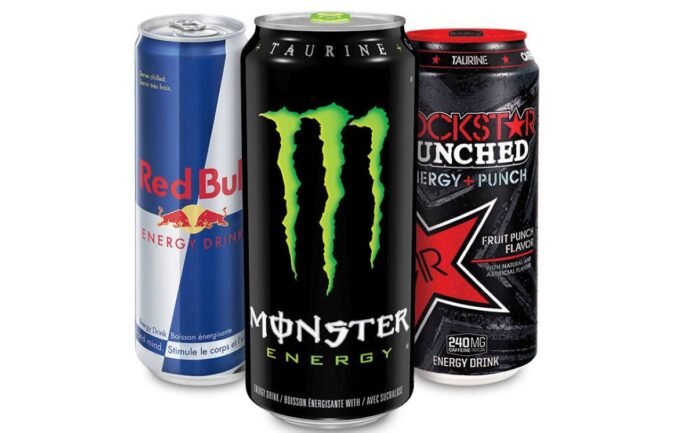
Kuwait energy drink regulations, introduced last month, are already reshaping sales patterns and consumer behavior. Officials banned energy drink sales in juice shops, baqalas, schools, universities, restaurants, cafés, vending machines, and online delivery platforms. As a result, they now limited purchases to supermarkets and cooperative societies with age and quantity restrictions.
Many small business owners say they were caught off guard. An Egyptian juice shop operator in Hawally reported losing a key source of income, noting that energy drinks once accounted for 20–30 percent of his sales. Customers often bought flavored energy drinks, such as berry or peach, rather than plain ones. Most remaining stock was either sold before the ban or collected by distributors for refunds.
In the same area, a Moroccan baqala vendor explained that the sudden enforcement coincided with a new shipment, leaving him with approximately KD 150 worth of energy drinks. He criticized the lack of a grace period, saying one month could have helped him adjust. Likewise, an Iranian vendor in Salmiya said his shop relied on selling two cartons daily, often alongside snacks like chips and chocolates. After the ban, he still has 25 cartons awaiting collection from the distributor, causing significant financial losses.
Vendors also questioned the logic of banning sales in small shops while allowing energy drinks in hypermarkets and cooperative societies. “If energy drinks are harmful, restrictions should apply uniformly across all outlets,” said a shop operator. They compared the regulation to cigarette rules, suggesting an age-based system could have been more balanced.
The ministry emphasized that Kuwait energy drink regulations aim to protect public health, particularly among youth. Officials highlighted limits of two cans per day for individuals over 18 and a caffeine cap of 80 mg per 250-ml container. Producers and importers must display health warnings and comply with a complete ban on advertising, promotions, and sponsorships.
Consumers are already changing habits. A Lebanese daily user said he now avoids energy drinks unless a friend buys them from a cooperative society. Meanwhile, another consumer, who drinks up to two cans daily, said the ban forced her to switch to coffee, although she supports the decision due to health concerns.
In conclusion, Kuwait energy drink regulations are reshaping both business operations and consumer behavior. Small shops face financial strain, while consumers adapt to stricter access and responsible consumption rules. The regulations reflect the government’s effort to balance public health priorities with market realities, impacting vendors and buyers alike.
