
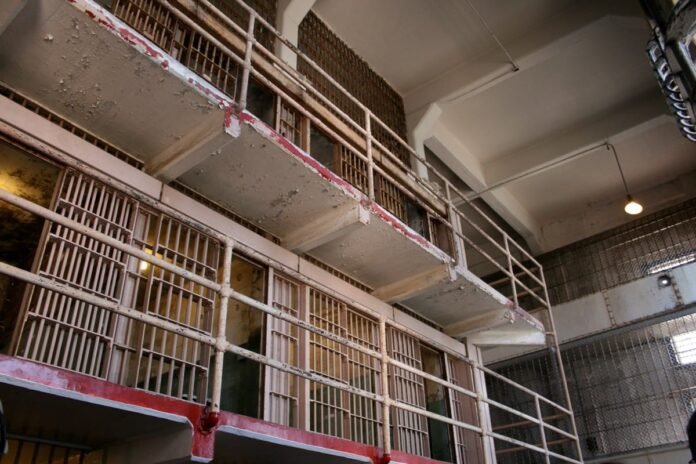
dramatic Kuwait prison fire broke out at the general department of correctional facilities in Sulaibiya, injuring several police personnel and workers. Consequently, authorities responded immediately after receiving an emergency report through the operations room. Firefighting teams from the Kuwait Fire Force, along with emergency medical services, rushed to control the blaze and provide urgent assistance.
The injured received prompt medical care and were transported to hospitals for treatment. Meanwhile, their health conditions remain under close observation. Additionally, officials continue monitoring recovery progress and offering necessary support. Therefore, the Kuwait prison fire has drawn urgent attention from top authorities.
First Deputy Prime Minister and Interior Minister Sheikh Fahad Al-Yousef Al-Sabah visited the injured in hospitals. He was accompanied by Health Minister Dr Ahmad Al-Awadhi. During the visit, Sheikh Fahad received detailed briefings on the health status of the injured. Furthermore, he instructed officials to provide all required medical care and maintain continuous follow-up.
At the same time, the Interior Ministry launched a full investigation to determine the cause of the fire. Authorities aim to identify all contributing factors and take legal action against any negligence. Moreover, officials will review safety procedures across all correctional facilities to prevent similar incidents. Thus, the Kuwait prison fire highlights urgent safety concerns.
Sheikh Fahad stressed the importance of strict adherence to safety and prevention measures at all ministry facilities. He called for reinforced protocols to protect personnel and workers from hazards. Furthermore, officials will implement updated fire prevention standards and staff training programs. Consequently, the Kuwait prison fire serves as a reminder of the need for proactive safety enforcement.
In addition, emergency response teams acted efficiently to minimize damage and prevent escalation. Firefighters controlled the blaze quickly, preventing further injuries and property loss. At the same time, medical teams ensured timely treatment for those affected. Therefore, coordinated efforts helped manage the Kuwait prison fire effectively.
Authorities also plan to conduct comprehensive safety audits in all correctional facilities nationwide. These audits aim to identify potential risks and improve emergency response readiness. Moreover, staff members will undergo additional training on safety compliance and fire prevention measures. As a result, Kuwait strengthens safety culture across all government institutions.
Overall, the incident has prompted both immediate response and long-term preventive action. Officials continue to investigate the fire’s origins and enforce necessary regulations. Furthermore, leadership emphasizes the protection of personnel, adherence to safety protocols, and the prevention of future accidents. Thus, the Kuwait prison fire has become a priority for authorities.
