
Kuwait is strengthening regional collaboration in marine research through the Sub-commission for the Central Indian Ocean, IOCINDIO. This platform supports marine data exchange, joint research, and training programs for countries around the Indian Ocean. Kuwait’s active role highlights its commitment to advancing oceanography and sustainable marine practices.
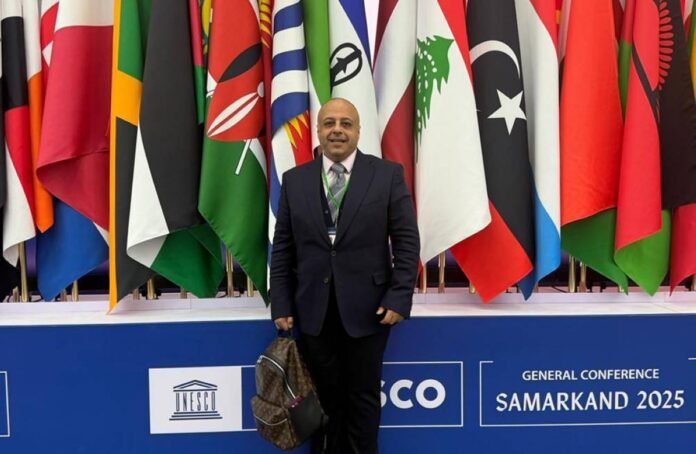
At the 43rd UNESCO General Conference in Samarkand, Uzbekistan, Dr. Turki Al-Saeed, Coastal and Marine Resources Program Director at the Kuwait Institute for Scientific Research (KISR), emphasized IOCINDIO’s importance. He explained that it allows countries to share data, coordinate research cruises, and provide training aligned with SDG 14, Life Below Water.
Dr. Al-Saeed highlighted KISR’s research vessel, Al-Mustakshif, a 55-meter platform designed for physical, chemical, and biological studies. The vessel and other advanced facilities strengthen Kuwait’s capacity to conduct comprehensive oceanographic research.
He urged IOC members to organize joint missions in the Arabian Gulf and Indian Ocean. These missions would expand marine data exchange, improve scientific expertise, and showcase national contributions to IOC-supported projects.
KISR also stressed the importance of engaging youth in marine sciences. Dr. Al-Saeed stated that training programs, workshops, and research experiences under IOCINDIO help develop the next generation of oceanographers. These efforts support regional sustainability and environmental protection.
Moreover, Kuwait recognized IOC officials, including session chair Linda Brito and Executive Vidar Helgesen, for encouraging international collaboration. Their leadership strengthens cooperative research and promotes marine ecosystem preservation.
Through IOCINDIO, Kuwait demonstrates its ongoing dedication to marine data exchange. The initiative ensures research is shared efficiently, expertise grows, and regional scientific progress accelerates. Kuwait’s efforts position the country as a leader in oceanographic research while promoting a sustainable future for regional waters.
