
Kuwait cabinet reshuffle signals political renewal as the country introduces new leadership across key ministries. Kuwait cabinet reshuffle signals political renewal at a moment of institutional change. From the start, Kuwait cabinet reshuffle signals political renewal and administrative recalibration.
Kuwait announced a cabinet reshuffle late Sunday through an official decree. The changes introduced seven new ministers into government. At the same time, three ministers left their previous roles.
As a result, the cabinet now includes 21 ministers. The reshuffle reflects ongoing efforts to strengthen governance. Officials aim to improve performance across vital sectors.
Abdullah Boftain assumed the role of information and culture minister. He brings over two decades of media experience. Previously, he served in senior editorial leadership positions.
Moreover, Boftain recently received recognition for journalistic excellence. He earned a national award for interview performance. Supporters view his appointment as a strategic media shift.
Meanwhile, Sheikh Jarrah Jaber Al-Ahmad Al-Sabah moved into the foreign minister role. He previously held the position of deputy foreign minister. His appointment supports continuity in diplomatic engagement.
In addition, Osama Boodai became minister of commerce and industry. His appointment follows experience in economic administration. Observers expect renewed focus on trade and industry growth.
The reshuffle also introduced a new finance minister. Yaqoub Al-Refai assumed responsibility for national financial policy. He previously led the Kuwait Banking Union.
Before this change, the electricity and water minister temporarily managed finance duties. The new appointment separates responsibilities again. This change aims to improve fiscal oversight.
Furthermore, Abdulaziz Al-Marzouq joined the cabinet as state minister for economic affairs and investment. He previously served on the Boursa Kuwait committee. His role focuses on investment and economic strategy.
The government also appointed Tareq Al-Jalahma as state minister for youth and sports. Al-Jalahma brings experience from sports commentary and athletics. Officials expect stronger youth engagement initiatives.
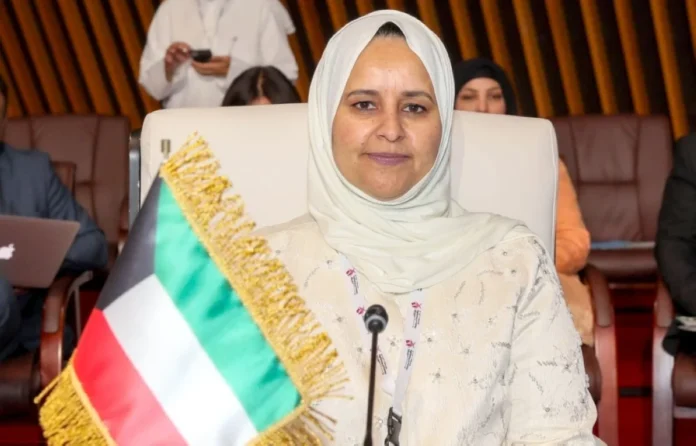
Another notable change introduced a new ministry. Reem Ghazi Al-Fulaij assumed the role of minister of state for development and sustainability. The new portfolio highlights long-term planning priorities.
Additionally, Omar Saud Al-Omar received an updated ministerial title. He now serves as minister of state for communications and information technology. The change reflects the sector’s growing national importance.
Overall, the reshuffle signals a broader leadership refresh. Officials aim to align expertise with strategic sectors. These include media, finance, technology, and youth development.
Political analysts see the reshuffle as a response to governance demands. Citizens increasingly expect efficiency and transparency. Therefore, leadership renewal plays a central role.
In conclusion, Kuwait cabinet reshuffle signals political renewal through new appointments and redefined roles. The government seeks improved coordination and accountability. The coming months will test the impact of these leadership changes.
