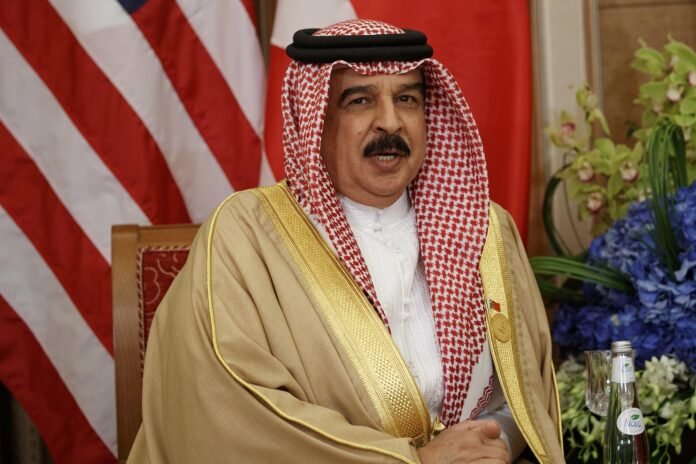
Bahrain recently launched the King Hamad Leadership Programme, aiming to empower young leaders who advocate for peace and tolerance. This programme is a clear reflection of His Majesty King Hamad bin Isa Al Khalifa’s enlightened vision. It seeks to equip youth with leadership skills that foster peace, coexistence, and tolerance, ultimately creating a united and prosperous future.
Dr. Shaikh Abdulla bin Ahmed Al Khalifa, Minister of Transportation and Telecommunications, expressed pride in launching this significant initiative. He emphasized that youth leadership is crucial for shaping a better future. Furthermore, the King Hamad Leadership Programme aligns with the mission of the King Hamad Global Centre for Coexistence and Tolerance, which aims to promote peace and unity on a global scale.
Moreover, the programme is a result of a partnership between the King Hamad Centre, the Faith in Leadership Organisation, and the 1928 Institute at Oxford University. It is the first educational programme of its kind in the region. Therefore, it aims to train young people to become peacemakers and ambassadors of tolerance.
Over the next four years, the King Hamad Leadership Programme will involve 100 young participants. Each year, 25 students will join. They will undergo a curriculum that combines theoretical learning and practical training. Experts from across the world will lead the programme, in collaboration with two renowned British institutions.
As part of the programme, participants will develop critical skills in promoting peace, resolving conflicts, and combating hate speech. Additionally, they will be trained to lead discussions, manage projects, and oversee initiatives. Once they graduate, these leaders will return as trainers, continuing to spread the values of coexistence and tolerance.
Dr. Shaikh Abdulla also stressed the Centre’s ongoing commitment to educational initiatives. These initiatives will not only empower creative youth but also enhance their leadership roles in society. The Centre will work closely with national institutions and international experts. Together, they will achieve sustainable goals that foster a peaceful and secure future.
In conclusion, the King Hamad Leadership Programme exemplifies Bahrain’s dedication to promoting peace and tolerance. By investing in youth leadership, Bahrain aims to build a united, peaceful world. The programme will continue to nurture future leaders who will advocate for coexistence and tolerance on a global scale.