
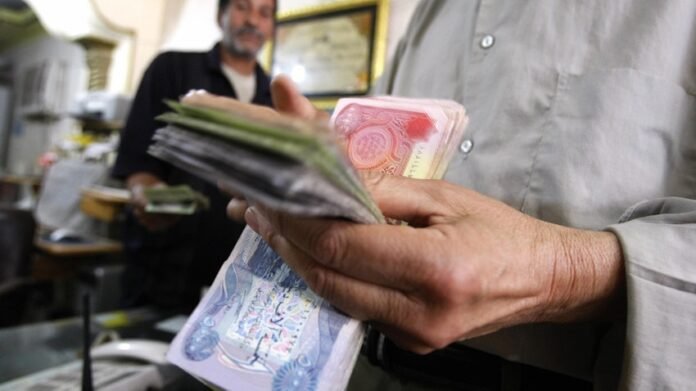
Iraq’s domestic public debt rose to about 89 trillion dinars, roughly $67 billion, by the end of 2025. This marks a 6% increase from 2024, highlighting ongoing fiscal challenges. The rise comes primarily from financing budget deficits through borrowing from state-owned banks.
Prime Minister’s economic adviser Mudhhir Mohammed Saleh explained that fluctuations in global oil prices are a major factor. Oil revenues account for approximately 88% of Iraq’s total state income. These conditions have pushed the government to rely heavily on internal borrowing to meet financial obligations.
Despite the increase in domestic debt, Iraq’s external debt remains low at around $13 billion. Saleh noted that this level is manageable compared to the country’s gross domestic product. It provides some fiscal flexibility while internal obligations continue to grow.
Saleh emphasized that the government’s economic strategy focuses on diversifying revenue sources, restructuring state-owned banks, and boosting private sector partnerships. These steps aim to turn domestic debt into a tool that supports sustainable economic growth. By using debt strategically, Iraq hopes to strengthen public finances without overburdening future budgets.
Experts also point out that managing domestic borrowing carefully can help reduce risks associated with interest payments and debt accumulation. Coordinating fiscal policy with oil revenue projections remains essential, especially given the country’s heavy reliance on oil.
The government is expected to introduce reforms aimed at improving revenue collection, enhancing transparency in public spending, and promoting investment. These measures could help stabilize the debt-to-GDP ratio over the next few years.
In conclusion, Iraq faces rising domestic public debt, but officials emphasize that careful management, economic reforms, and private sector collaboration can make debt a tool for development. The focus now remains on balancing fiscal responsibility with long-term growth objectives.
