
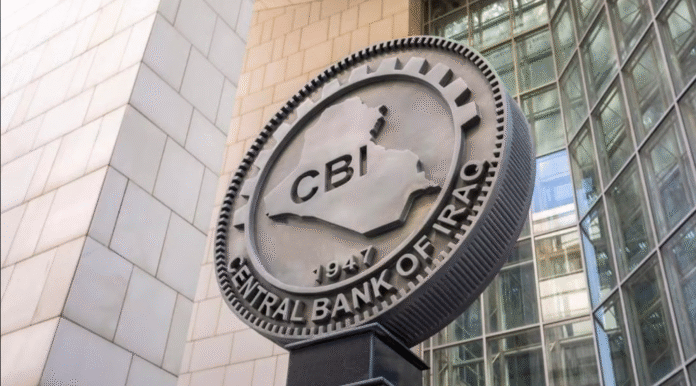
Iraq’s banking sector is experiencing mixed trends. The Central Bank reported a drop in deposits but a rise in credit. This shows the financial landscape is shifting while authorities work to maintain stability.
Total deposits in Iraq’s banking sector fell by 1.82% in September 2025. They reached 113.928 trillion dinars compared to 115.997 trillion dinars in August. The decline may reflect investors seeking alternatives amid uncertain market conditions.
Deposits by the central government reached 35.398 trillion dinars. Public institutions held 25.531 trillion dinars. The private sector accounted for the largest portion, with 52.999 trillion dinars. This distribution shows continued participation across both public and private sectors.
Meanwhile, total credit grew by 0.57%, reaching 73.942 trillion dinars in September compared to 73.521 trillion dinars in August. This growth highlights how Iraq’s banking sector continues supporting businesses and individuals.
Credit to the central government stood at 26.392 trillion dinars. Public institutions received 2.431 trillion dinars. The private sector again led, with 45.119 trillion dinars in loans. Economists say this steady credit expansion encourages commercial activity and strengthens confidence.
Experts note that the increase in credit reflects banks’ active approach to sustain growth despite falling deposits. Iraq’s banking sector is adapting by prioritizing lending and encouraging productive investments.
Policymakers are planning measures to boost liquidity and motivate citizens to deposit savings. These initiatives, combined with careful monetary policies, aim to secure financial stability and balanced growth.
The Central Bank’s report presents a complex but promising outlook. Deposits have slowed, yet rising credit shows Iraqi banks remain committed to economic progress and resilience.
