
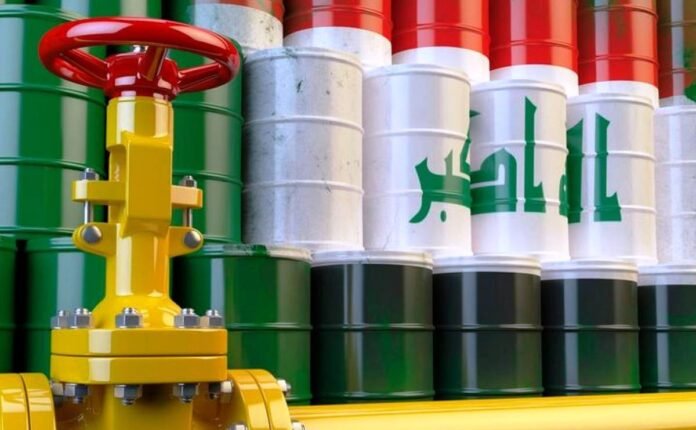
Iraq’s oil exports to the United States saw a significant decline last week, highlighting Iraq’s oil export trends and shifts in global energy flows. The US Energy Information Administration (EIA) reported that imports from Iraq averaged 92,000 barrels per day (bpd), down 163,000 bpd from the previous week’s 255,000 bpd.
Overall, the US received crude oil from ten key countries, totaling 4.708 million bpd, a decrease of 508,000 bpd from the prior week’s 5.216 million bpd. This drop reflects changing market dynamics and the growing role of alternative suppliers in the US energy market.
Canada remained the top supplier, providing 3.58 million bpd, followed by Saudi Arabia at 257,000 bpd. Mexico supplied 256,000 bpd, while Brazil delivered 141,000 bpd. These countries continue to shape US crude oil imports, reducing Iraq’s relative share in the market.
Other nations also contributed smaller volumes. The US imported 121,000 bpd from Venezuela, 119,000 bpd from Nigeria, 72,000 bpd from Colombia, and 70,000 bpd from Ecuador. These figures indicate a diverse mix of crude oil sources supporting US energy needs.
Analysts suggest that Iraq’s oil export trends may be influenced by global supply adjustments, regional production targets, and logistical factors affecting shipments. While Iraq remains an important supplier, weekly fluctuations in exports demonstrate the volatility of international energy markets.
In addition, US refiners adjust their procurement strategies based on price, quality, and geopolitical considerations. This approach contributes to variability in weekly imports from Iraq and other countries. Consequently, Iraq’s share of US oil imports can change sharply from week to week.
Despite the recent decline, Iraq continues to play a key role in global energy markets. The country’s oil infrastructure and strategic production capacity ensure it remains a vital supplier, even as US buyers diversify sources. Future export levels will depend on market demand, production quotas, and international energy agreements.
Overall, the latest EIA report underscores the importance of monitoring Iraq’s oil export trends closely, as these shifts impact both regional economies and global energy markets. Understanding these patterns helps businesses, governments, and investors anticipate changes in supply, pricing, and strategic planning.
