
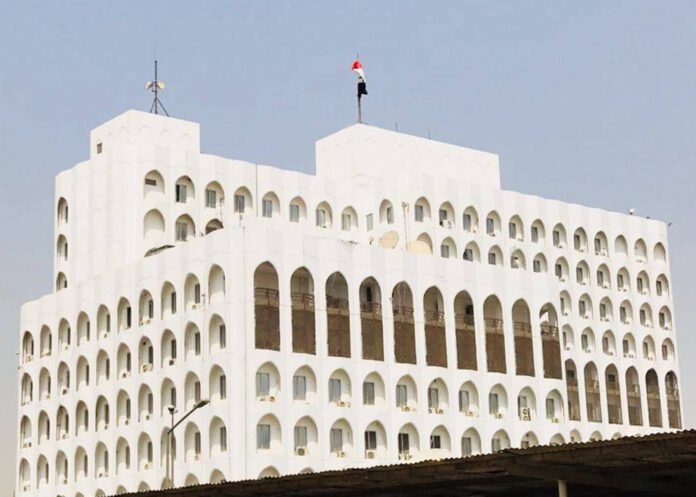
The new ambassador lists circulating on social media have sparked wide public debate in Iraq. On Monday, August 2, 2025, the Iraqi Foreign Ministry released a statement to address the controversy. It emphasized that the names shared in the media do not reflect the real candidates.
According to the ministry, the leaked lists are inaccurate and fail to represent the actual backgrounds of the nominees. Officials stressed that the new ambassador lists were based on clear professional and national standards. Half of the proposed names already hold senior diplomatic ranks within the ministry.
In contrast, the ministry highlighted a major shift from the 2009 ambassador list. Back then, 90% of the appointed ambassadors came from outside the ministry. This time, however, the selection includes a mix of internal diplomats and qualified professionals from national institutions.
Iraq currently faces a severe shortage of ambassadors. Over 90 diplomatic positions remain vacant, both at the ministry’s headquarters and in international missions. Because of this gap, the ministry viewed updating the new ambassador lists as essential to strengthening Iraq’s foreign service.
Additionally, the diplomatic corps is experiencing high retirement rates. Right now, only 27 ambassadors remain in service. Of these, 11 have already reached retirement age. Another five are expected to retire in 2026, making the situation more urgent.
The ministry detailed the list’s composition. It includes 23% from families of martyrs and political detainees. Meanwhile, 64% are public sector employees. Around 19% come from political organizations, civil society, or think tanks. Another 17% are university academics.
Furthermore, 62% of the nominees hold postgraduate degrees. The rest carry bachelor’s degrees. The ministry pledged to follow legal and constitutional procedures in finalizing the appointments. It also committed to ensuring fair representation of Iraq’s diverse population.
In conclusion, the ministry described the appointments as a necessary step to modernize Iraq’s diplomacy. Officials believe true reform must begin internally by empowering capable and qualified individuals.
