
Iraq continues to expand its energy activity, and the latest update confirms steady Iraq oil progress. The country reported strong export numbers for crude shipped through the Turkish port of Ceyhan, marking a significant step forward in stabilizing the sector.
The oil ministry confirmed that more than 13 million barrels of crude from the Kurdistan Region reached international markets through Ceyhan. The shipments restarted in late September under a three-party agreement involving Baghdad, Erbil, and international oil companies. This coordinated plan brought exports back online after a long halt that began in early 2023.
The ministry stated that daily exports now range between 200,000 and 208,000 barrels. Additionally, the first shipment of this crude reached the United States earlier this month. Officials noted that the region’s oil continues to target both European and American buyers, which strengthens market links and improves long-term reliability.
Furthermore, the ministry confirmed that talks with Turkey on renewing the Iraq-Turkey pipeline agreement continue to move forward. The original 1973 agreement expires in July 2026. However, discussions in Ankara last month created positive momentum. The next meeting will take place soon in Baghdad to finalize a new draft. This process supports Iraq oil progress and strengthens export stability.
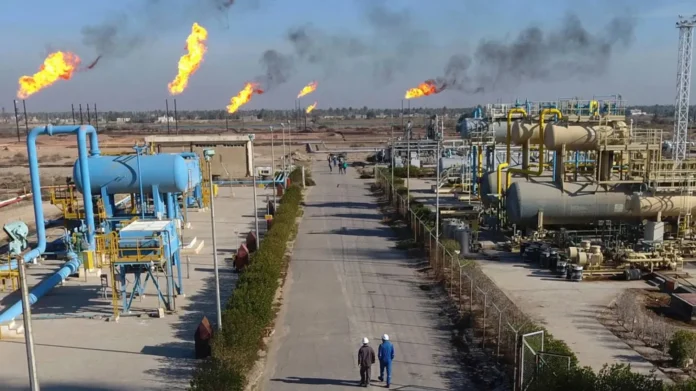
The ministry also highlighted major developments in associated gas investment. Teams increased gas capture rates from 35 percent to 73 percent. The national plan aims to end gas flaring entirely by the end of 2029. This shift will reduce waste, boost energy efficiency, and improve environmental performance.
Moreover, domestic fuel production continues to rise. Iraq reached full self-sufficiency in kerosene and diesel, while gasoline output increased to 80 percent of national demand. The ministry expects full gasoline self-sufficiency by late this year or early next year. These improvements reduce import pressure and support stronger national energy security.
Refining capacity also expanded at major facilities in Karbala, Baiji, and Basra. Combined output now reaches 460,000 barrels per day. For the first time, the Baiji refinery began producing gasoline with an octane level above 95. This development reflects steady modernization across key production sites.
Iraq remains the second-largest oil producer in OPEC. It produces around 4.4 million barrels daily and exports 3.3 million barrels. The remainder supports domestic demand and strengthens overall supply reliability.
With each improvement, Iraq moves closer to long-term stability and stronger export performance. Every step supports sustained Iraq oil progress, helping the sector grow more efficiently and competitively.
