
Efforts to strengthen trade systems gained momentum as customs reform in Iraq took center stage in recent government discussions. Iraq continues to focus on improving administrative efficiency to support economic growth. Officials emphasized the importance of simplifying procedures and enhancing coordination between institutions. These steps aim to create a more reliable and transparent trade environment. At the same time, customs reform in Iraq reflects broader plans to modernize public sector operations.
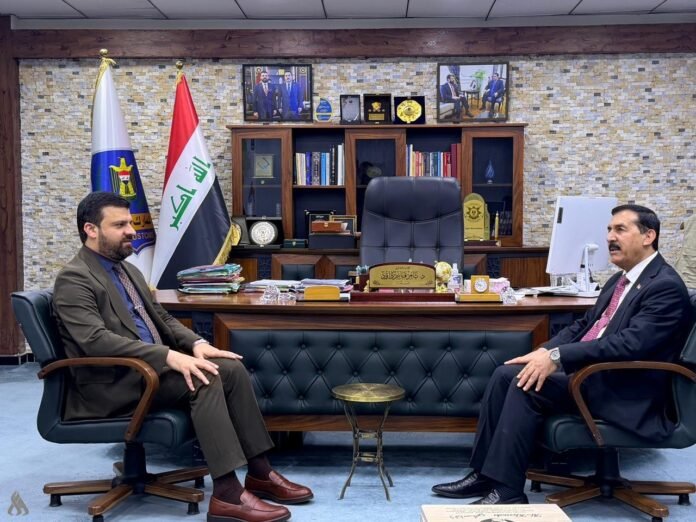
The General Commission of Customs held a high-level meeting in Baghdad to address these priorities. The session brought together key officials from customs and the Central Organization for Standardization and Quality Control. Discussions focused on strengthening cooperation and improving technical coordination. Authorities want to ensure that all imported goods meet national standards. This approach supports consumer safety while also improving regulatory oversight.
Officials highlighted the need to align institutional roles more effectively. They stressed that unified procedures can reduce delays and improve efficiency at border points. In addition, better coordination can help prevent inconsistencies in enforcement. These measures form a key part of customs reform in Iraq, which seeks to modernize trade processes. Authorities believe streamlined systems will encourage business activity and investment.
The meeting also explored ways to enhance monitoring systems within customs operations. Participants reviewed both field inspections and electronic tracking methods. These tools help authorities follow goods movement and ensure compliance with regulations. Strengthening oversight remains essential for maintaining quality standards. It also supports efforts to reduce risks linked to non-compliant imports.
Officials from the standards organization expressed readiness to expand technical cooperation. They also highlighted the importance of sharing expertise to improve enforcement of quality requirements. This partnership aims to build a stronger regulatory framework across institutions. As a result, authorities expect improved consistency in applying national standards. These developments further reinforce the goals of customs reform in Iraq.
The visit included a detailed briefing on operations within the customs control center. Officials reviewed procedures designed to improve efficiency and accuracy. They also examined systems that support real-time monitoring of trade flows. These upgrades reflect a wider push to adopt modern technologies across government services. Improved systems can help reduce processing times and increase transparency.
Authorities concluded that continued collaboration will remain essential for long-term success. They aim to create a trade environment built on compliance, efficiency, and trust. By strengthening institutional partnerships, Iraq seeks to support sustainable economic growth. The focus on customs reform in Iraq highlights the country’s commitment to improving its economic infrastructure as well as regulatory systems.
