
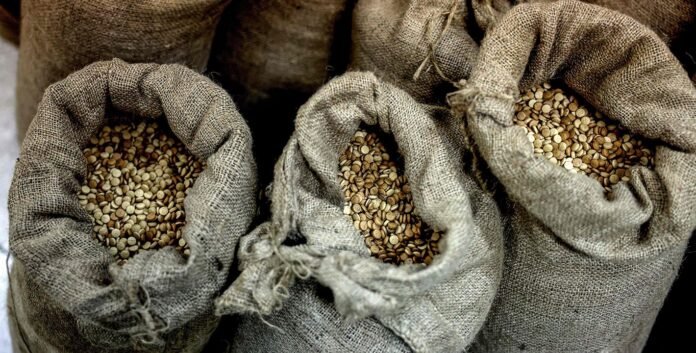
Iraqi and Lebanese authorities dealt a major blow against Captagon trafficking networks through a joint operation. First, they targeted one of the largest Captagon factories in the Bekaa Valley. The Iraqi Ministry of Interior highlighted strong intelligence cooperation as the key to success. Consequently, Captagon trafficking networks faced disruption in their supply chain, threatening Arab societal security.
Iraqi agencies provided precise intelligence to Lebanese forces. Then, the Lebanese army launched a large-scale operation in mid-July 2025. Soldiers seized the factory, dealt a significant blow to trafficking networks, and confiscated massive amounts of drugs before traffickers could distribute them. Officials added that this strike represents one of the strongest actions against Captagon trafficking networks in the region.
The Lebanese General Directorate of State Security wrote to the Iraqi Ministry of Interior, praising Iraq’s leadership in fighting cross-border threats. Moreover, officials stressed that both countries must continue joint efforts to confront Captagon trafficking networks.
Traffickers favor the Bekaa Valley because rugged terrain, weak state oversight, and tribal networks make smuggling easier. Additionally, Syrian operations supply most Captagon pills, while border regions between Lebanon and Syria act as key transit zones. Iraq, once mostly a transit route, now faces growing domestic consumption and trafficking pressures.
Iraqi forces intercepted multiple shipments this year. For example, in April, they stopped 400,000 Captagon pills moving from Deir ez-Zor, Syria, across the Euphrates River. Similarly, in March, authorities seized a truck carrying 1,100 kilograms of Captagon pills while it traveled through Turkey. So far, Iraqi police confiscated 1.75 tons of drugs and arrested 2,000 traffickers in 2025.
Therefore, officials continue strengthening security measures to dismantle Captagon trafficking networks. They warn that smugglers exploit porous borders and deep economic ties across communities. Ultimately, both countries remain committed to reducing the drug threat in Iraq and Lebanon.
