
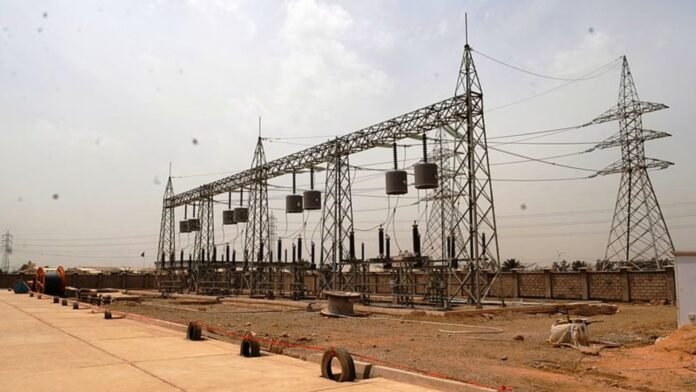
Iraq electricity growth stood out in 2024, making it the fastest among Arab nations, according to the Energy Research Unit in Washington. This milestone reflects Iraq’s commitment to boosting domestic power generation and modernizing its energy infrastructure.
In recent years, Iraq has faced increasing electricity demand. In response, authorities have launched several initiatives to reduce reliance on energy imports. These efforts have started showing results. In fact, Iraq’s electricity generation reached 169.5 terawatt-hours (TWh) in 2024. That marks a 14.9% rise from 147.1 TWh in 2023.
By comparison, Saudi Arabia led the region with 454.6 TWh. However, its annual growth rate was only 5.6%. Egypt came next with 237.4 TWh, while the UAE followed closely with 177.3 TWh and a 5.5% increase. Still, Iraq electricity growth clearly outpaced all these countries in terms of rate.
Meanwhile, Algeria recorded 101.1 TWh, and Kuwait reached 89.5 TWh. Qatar generated 58.7 TWh, and Oman saw a strong 7.3% growth, reaching 48.5 TWh. Morocco produced 43.5 TWh during the same period.
These numbers show a rising trend in electricity demand and supply across the region. Nevertheless, Iraq electricity growth remains a regional benchmark. It highlights Baghdad’s push to increase capacity and reduce power shortages.
Globally, total electricity generation rose to 31,250 TWh in 2024. This was up from 29,960 TWh in 2023. China played a major role, producing 10,080 TWh—nearly one-third of the global output.
In the Arab region, energy demand is growing due to rising populations and economic development. Iraq’s performance sends a clear message. It is serious about modernizing its grid and securing long-term energy independence.
Looking ahead, the focus will likely stay on expanding renewable energy and reducing system losses. Iraq’s progress could inspire neighboring countries to accelerate their own energy reforms.
