
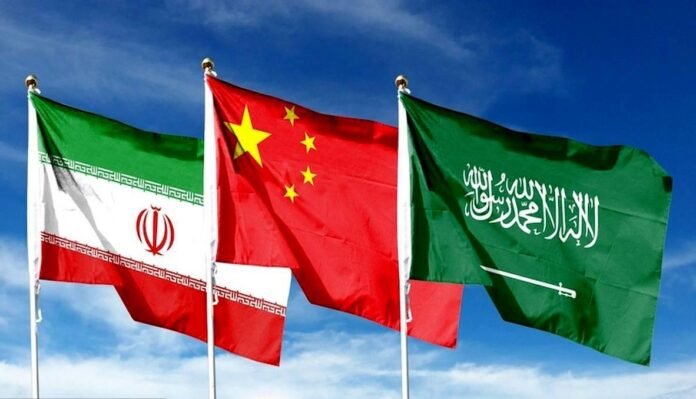
Iran, Saudi Arabia, and China gathered in Tehran to advance diplomatic and economic cooperation, highlighting the Beijing Agreement. This key agreement is shaping regional diplomacy and continues to guide interactions between Tehran and Riyadh.
The third session of the Joint Trilateral Committee took place in Tehran, bringing together senior diplomats and experts from the three countries. They discussed progress on the Beijing Agreement, which China mediated in March 2023. Under this landmark deal, Iran and Saudi Arabia agreed to restore diplomatic relations, reopen embassies, and expand political and economic collaboration.
Before the main meeting, preparatory sessions involved detailed discussions by experts and diplomats. These discussions focused on practical steps for implementing the Beijing Agreement and ensuring measurable outcomes across multiple sectors.
During the talks, Iranian and Saudi officials reaffirmed their commitment to fully executing the Beijing Agreement. They focused on the importance of neighborly relations and regional stability. Both sides also stressed respect for sovereignty, independence, and the security of all states in the region.
China reiterated its role as a supportive mediator and expressed readiness to encourage further progress between Tehran and Riyadh. Officials highlighted Beijing’s constructive involvement as a vital factor for maintaining momentum and confidence in the process.
The Beijing Agreement has already led to significant diplomatic steps, including reopening embassies and resuming official dialogue between Iran and Saudi Arabia. Observers note that the agreement could enhance trade, cultural exchange, and regional cooperation in security, energy, and investment sectors.
Analysts believe this trilateral cooperation reflects a broader effort to stabilize the Middle East and reduce long-standing tensions. By following the Beijing Agreement, Iran and Saudi Arabia aim to demonstrate that diplomacy and negotiation can resolve longstanding disputes.
The Tehran meeting also explored practical initiatives to deepen bilateral and trilateral cooperation. These include trade partnerships, shared energy projects, and collaborative infrastructure development. Officials expressed optimism that consistent engagement under the Beijing Agreement would create a foundation for long-term regional stability.
Overall, the meeting in Tehran reinforced the significance of the Beijing Agreement as a roadmap for improving relations and fostering cooperation. By following this agreement, Iran, Saudi Arabia, and China continue shaping a future where diplomacy, dialogue, and mutual respect guide regional partnerships.
