
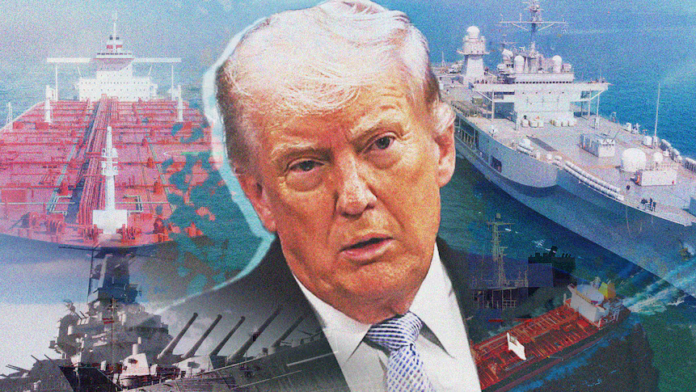
In a sharp Hormuz crisis escalation, Iran closed the Strait of Hormuz again on Saturday, signaling that US pressure may be backfiring. The move disrupted a vital global oil route and raised fears of a wider conflict.
The closure followed firm statements from Donald Trump, who insisted the US would maintain its naval blockade on Iranian-linked shipping. He said the measure would stay until a full agreement with Tehran takes shape. However, Iran responded quickly, rejecting the pressure and tightening control over the waterway.
As a result, tensions escalated within hours. A UK maritime agency reported that vessels linked to Iran opened fire on a tanker attempting to pass through the strait. Meanwhile, separate reports indicated that another oil tanker faced an attack during the same period. These incidents increased concerns about shipping safety and energy supplies, deepening the Hormuz crisis escalation.
This sudden reversal came just one day after Trump claimed a breakthrough. He had stated that Iran would keep the strait open and described the moment as a major success. However, Iran’s latest move contradicted those claims and exposed a widening gap between rhetoric and reality.
At the same time, officials in Washington reacted with urgency. Trump convened a high-level meeting to assess the situation and review options. According to US officials, the risk of renewed conflict remains high. They warned that without progress in negotiations, hostilities could resume within days.
Moreover, the situation carries global consequences. The Strait of Hormuz handles a significant share of the world’s oil shipments. Therefore, any disruption directly affects energy markets and international trade flows. Analysts now expect increased volatility as uncertainty grows.
The crisis could shape upcoming diplomatic efforts. Trump previously suggested that stability in the strait would support talks with China. However, the renewed closure complicates that narrative and adds pressure ahead of any international meetings.
Iran’s decision marks a critical turning point. It shows resistance to US demands and highlights the fragile state of current negotiations. As both sides hold firm positions, the risk of further escalation continues to rise, marking a continued Hormuz crisis escalation.