
The global markets rally gained strong momentum after a breakthrough between United States and Iran. Investors reacted quickly after both sides agreed to a two-week ceasefire. Moreover, the deal includes reopening the critical Strait of Hormuz.
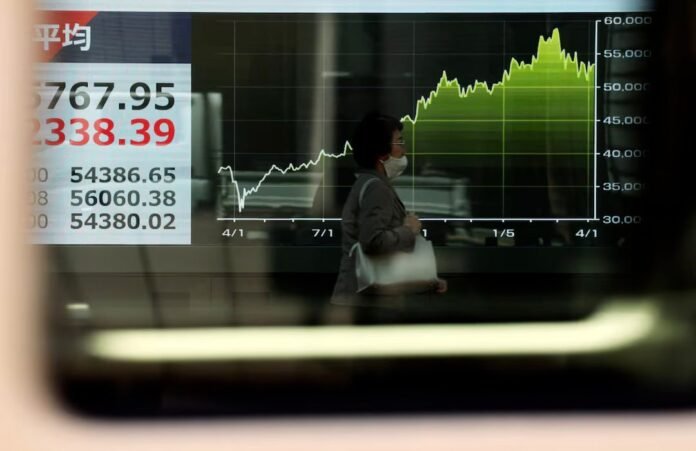
As a result, Asian markets posted sharp gains on Wednesday. In Japan, the Nikkei 225 surged significantly. It jumped 4.67% and reached 55,923.27 points. At the same time, the broader Topix rose by 3% to 3,763.51 points.
Meanwhile, South Korea also saw strong gains. The Kospi climbed 5.6%. This sharp rise reflected renewed confidence among investors across the region.
US futures signaled a positive opening. S&P 500 futures rose by 2.3%. At the same time, Dow Jones Industrial Average futures gained 2%. Therefore, the global markets rally extended beyond Asia into the US outlook.
The ceasefire also triggered a dramatic shift in energy markets. Oil prices dropped sharply after fears of supply disruptions eased. US crude futures fell by 14.3% to $96.83 per barrel. Similarly, Brent crude declined by 13.3% to $94.74 per barrel.
Earlier, oil prices had surged due to conflict in the Gulf region. The war disrupted production and raised concerns about supply chains. However, the agreement reduced immediate risks. Consequently, investors regained confidence in global economic stability.
The Strait of Hormuz plays a central role in this development. A large share of global oil exports passes through this route. Therefore, any disruption directly affects energy markets and global trade.
Previously, Iran had restricted passage for certain countries. This move raised tensions and added pressure on markets worldwide. Now, the reopening of the route signals a potential return to normal operations.
Analysts remain cautious despite the positive reaction. They expect volatility if negotiations fail to progress further. However, current trends show strong optimism. As a result, the global markets rally continues to dominate financial headlines.