
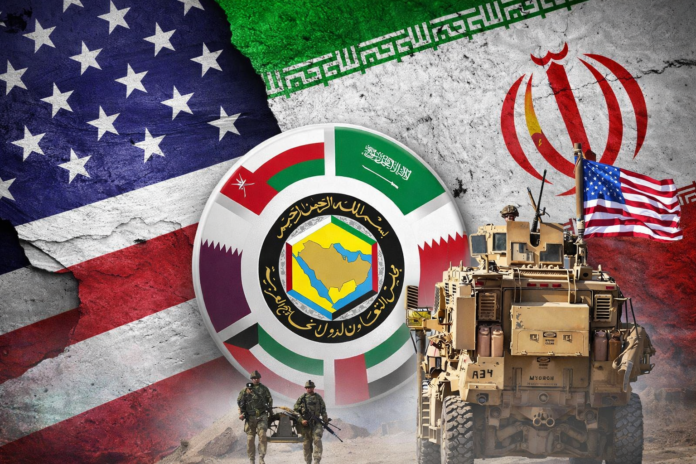
GCC unity against Iranian aggression took center stage in Washington on Wednesday. Moreover, GCC unity against Iranian aggression shaped Kuwait’s diplomatic message to the United States. At a critical moment, GCC unity against Iranian aggression underscored the region’s shared security priorities.
Sheikha Al-Zain Al-Sabah, Kuwait’s ambassador to the United States, stressed that Gulf states stand together. She said members of the Gulf Cooperation Council maintain a firm and coordinated position. According to her statement, recent Iranian attacks targeted the sovereignty of GCC countries.
In a letter addressed to Marco Rubio, she outlined Kuwait’s concerns. She referenced Washington’s remarks at the United Nations Security Council on February 28. The US statement affirmed respect for sovereignty and territorial integrity.
Furthermore, she welcomed the United States’ continued commitment to Gulf partners. She noted that cooperation aligns with the principles of a rules-based international order. Therefore, she called for deeper coordination among allies to confront regional threats.
She emphasized the importance of accountability through diplomatic and economic channels. In addition, she urged partners to strengthen deterrence strategies. She also highlighted the need to protect vital infrastructure across the region.
Moreover, she stressed the importance of safeguarding maritime navigation routes. She warned that instability could disrupt global trade flows. Consequently, she encouraged stronger security cooperation among Gulf and Western partners.
Kuwait views collective action as essential during periods of tension. Officials believe unified diplomacy deters further escalation. They also argue that coordinated responses enhance regional stability.
At the same time, she underlined the importance of dialogue and international law. She said Gulf states seek security without provoking wider conflict. However, she insisted that countries must defend their sovereignty firmly.
Regional observers note that Washington plays a critical role in Gulf security. Therefore, Kuwait continues to engage US officials at multiple levels. Diplomatic outreach, they argue, reinforces shared strategic interests.
GCC unity against Iranian aggression remains a guiding principle for Gulf policymakers. Leaders across the bloc seek closer defense coordination. They also aim to present a united diplomatic front on the global stage.
Ultimately, Kuwait’s message in Washington reflects broader regional concerns. Gulf governments want stability, secure trade routes, and protected infrastructure. Through sustained cooperation, they hope to prevent further tensions and strengthen long-term security frameworks.
