
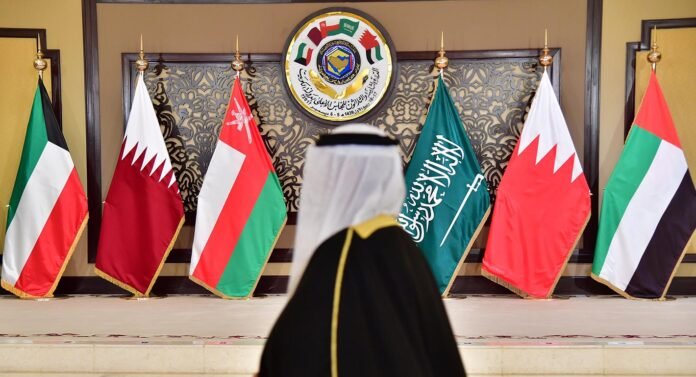
The Gulf Cooperation Council (GCC) is achieving remarkable progress in multiple sectors, reflecting its commitment to comprehensive development. GCC progress is evident in economic diversification, youth empowerment, and regional security. It continues to strengthen cooperation among member states.
GCC Secretary-General Jasem Al-Budaiwi told the Kuwait News Agency that national visions focusing on quality of life drive these achievements. Strategic investments in health, education, and renewable energy have played a major role.
Data from the Gulf Statistical Center show GCC countries now cover 80 to 90 percent of health and education indicators. Additionally, improvements exceeding 70 percent in key areas highlight steady progress. Al-Budaiwi also said GCC states surpass the global average in clean energy and innovation. Renewable energy projects and economic diversification programs drive this success.
The GCC railway link project demonstrates regional collaboration. Some segments in the UAE and Saudi Arabia are already complete. Other countries are finalizing regulations and technical requirements. The project, expected to operate fully by 2030, will boost trade, create jobs, attract investment, and provide cost-effective transport.
Furthermore, the “One Point Travel” system will simplify travel across GCC states. Citizens can move without in-person immigration checks. At the same time, free trade negotiations with countries like the UK, Turkey, Malaysia, and Japan continue. This underlines the council’s commitment to expanding economic opportunities.
Economic diversification remains a key focus. Non-oil sectors contributed 76 percent of GDP in 2024, driven by tourism, logistics, technology, and renewable energy initiatives. GCC nations are also investing heavily in human capital. Youth empowerment, entrepreneurship, and skill development remain top priorities.
Social and health initiatives are advancing quickly. Expanded medical infrastructure, digital healthcare, preventive programs, as well as social protection schemes improve citizens’ wellbeing. Investments in sports facilities and talent development enhance community health. These efforts also strengthen international cooperation.
Finally, regional security cooperation remains critical. The GCC 2026–2030 strategy addresses money laundering, terrorism, and extremist financing. Joint operations, technology use, legislation, and international collaboration maintain strong defense and stability.
Overall, GCC progress across economy, society, and security reflects sustained commitment to development. The council continues shaping a more prosperous and secure Gulf.
