
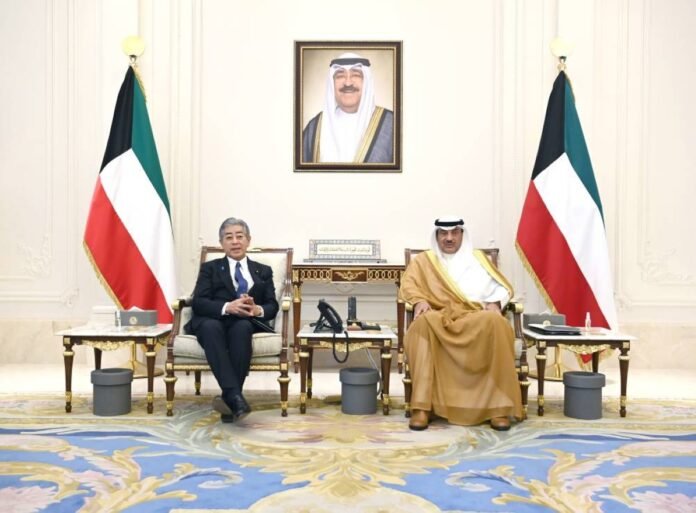
Kuwait recently hosted two significant diplomatic events. The GCC Ministerial Meeting occurred first. Then, the second GCC-Japan Strategic Dialogue followed. Consequently, both sides agreed to deepen their cooperation. Kuwaiti Foreign Minister Abdullah Al-Yahya praised Gulf unity. Furthermore, GCC Secretary-General Jasem Al-Budaiwi detailed the agenda.
Discussions covered political and security issues. Economic and humanitarian topics were also important. The GCC strongly condemned Zionist actions in Gaza. They also urged Japan to recognize Palestine. Reportedly, Japan provided positive feedback on this request.
A major outcome was a new Joint Action Plan. This plan will run from 2024 until 2028. It covers energy, trade, and investment. Additionally, it includes culture and academic exchange. Both sides also pushed for a faster free trade agreement.
Japanese Foreign Minister Takeshi Iwaya highlighted energy security. Japan relies on Gulf states for over ninety percent of its oil. He praised their role in global energy stability. Moreover, he emphasized future cooperation on clean energy. This includes hydrogen and ammonia development.
The GCC Japan partnership extends beyond energy. It includes technology, education, and agriculture. Iwaya welcomed GCC participation in Expo Osaka 2025. He also linked Gulf ties to Japan’s broader engagement with Africa.
Before the dialogue, Iwaya met with Kuwaiti leadership. He was received by the Crown Prince. He also met with the Prime Minister. These meetings underscore the relationship’s importance. The GCC Japan partnership continues to evolve strategically.
Ultimately, the dialogue strengthened multilateral ties. It set a clear roadmap for future collaboration. The GCC Japan partnership is now more robust and forward-looking.
