
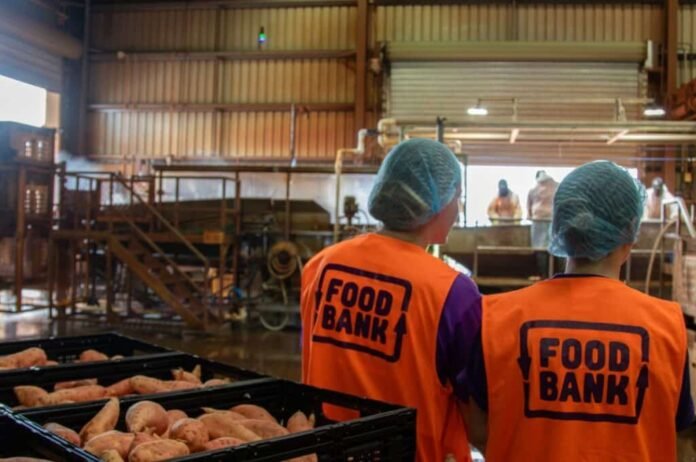
Food Rescue efforts in Bahrain have saved more than three million meals for families and individuals with limited incomes since 2014. The Bahrain Food Bank has recovered surplus food that might otherwise have gone to waste.
The Conserving Bounties Society operates the food bank and coordinates its collection and distribution activities. Since its establishment, the organisation has supported more than 3,000 families and 5,000 individuals. The latest figures coincide with International Day of Awareness of Food Loss and Waste, observed globally on September 29. The annual observance highlights the economic, social and environmental consequences associated with food loss and unnecessary waste.
Bahrain faces a significant food waste challenge, with around 400 tonnes reportedly discarded across the kingdom each day. Much of that waste eventually reaches the Askar landfill, which receives hundreds of thousands of tonnes annually. Some estimates indicate that food represents up to half of the waste deposited at the landfill. Consequently, efforts to recover edible surplus food have become increasingly important for communities and environmental protection.
The Conserving Bounties Society recovered 230 tonnes of surplus food during 2025, compared with 183 tonnes during 2024. Those figures demonstrate an increase in the organisation’s ability to collect and redistribute food that remains suitable for consumption. Society chief executive officer Thawra Al Dhaen said significant quantities of edible food become surplus because of changing demand. Overproduction, large events, buffet services and other circumstances can leave substantial quantities of food unused.
Meanwhile, families and individuals can benefit from food that remains safe and nutritious. However, the organisation currently handles only a portion of the surplus food potentially available throughout Bahrain. Since launching its operations in 2014, the food bank has saved and distributed 3,147,814 meals. During the first six months of this year, it distributed another 171,254 meals.
The organisation aims to connect surplus food with people who can benefit from it while protecting safety, dignity and confidentiality. Moreover, its procedures focus on maintaining food quality throughout collection, preparation, transportation and delivery. Donated food undergoes inspection at collection locations before the organisation accepts it for distribution. Staff check the condition, freshness and storage practices before preparing suitable meals for beneficiaries.
Workers then portion and label the meals before transporting them directly to recipients. The organisation uses air-chilled vehicles and follows specific time limits to reduce spoilage and protect food quality. The food bank also accepts meals from indoor buffet events when those donations satisfy applicable health and safety requirements. Common sources include home-cooked meals, restaurant dishes, hotel buffets and undistributed Iftar meals.
Cultural traditions can also influence food consumption and waste, particularly during Ramadan and family gatherings. Large quantities of food often accompany hospitality traditions, although guests may not consume everything prepared. Food waste creates environmental consequences because producing food requires significant amounts of land, water and energy. When discarded food reaches landfills, it can also contribute to greenhouse gas emissions and other environmental pressures.
The society says recovering edible surplus food helps conserve resources while encouraging more responsible consumption. Furthermore, these efforts support broader sustainability objectives and contribute toward healthier communities. Food Rescue also supports the United Nations Sustainable Development Goal focused on responsible consumption and production. The initiative encourages individuals to consider how they purchase, prepare, store and distribute food.
People can reduce household waste by checking refrigerators and cupboards before shopping and planning meals around existing supplies. Additionally, using older products first can help households consume food before it expires. Freezing bread, meat, fruit and prepared meals can also extend their usable life. Likewise, households can transform leftovers into new meals rather than immediately discarding them.
People can also dedicate one weekly meal to using remaining ingredients and leftovers. Overripe fruit can become smoothies, while vegetable scraps can provide ingredients for homemade stock. For unavoidable organic waste, composting offers another option instead of sending everything to landfill. Coffee grounds, eggshells, fruit peels and similar materials can become useful compost for gardens.
Globally, food waste remains a major economic and environmental issue affecting communities and food systems. International estimates indicate that almost one-fifth of food produced worldwide goes to waste annually. Food loss and waste also create substantial economic costs while contributing significantly to global greenhouse gas emissions. Therefore, reducing unnecessary waste can support both environmental sustainability and more efficient resource use.
The Bahrain Food Bank continues working to expand its recovery and redistribution capacity across the kingdom. Its activities demonstrate how surplus food can support vulnerable communities while reducing unnecessary disposal.
