
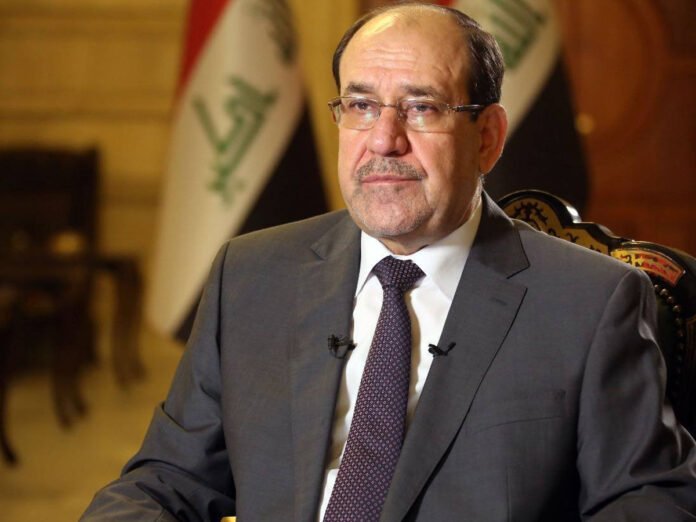
Iraq now faces a dangerous comeback of a divisive leader, former Prime Minister Nouri Maliki may soon regain power. This potential return alarms many citizens and analysts. The current prime minister recently withdrew from government formation. His withdrawal essentially clears a path for Maliki’s return. This situation creates a profound sense of political deja vu. The nation risks repeating a turbulent and violent chapter. Therefore, the prospect generates deep anxiety across Iraqi society.
Many people view this as a dangerous comeback for sectarianism, Maliki’s previous tenure spanned from 2006 to 2014. His rule notably centralized power within his Shiite faction. Consequently, his policies marginalized Sunni and Kurdish communities significantly. This marginalization fueled widespread protests and then serious unrest. Ultimately, these conditions allowed ISIS to capture vast territories. The group brutally exploited these deep political divisions.
Furthermore, critics consistently blame him for corruption, they also cite severe military and institutional decay. His potential return signals a failed political transition. Iraq has not escaped its post invision crises yet. The system remains trapped in a sectarian deadlock. Patronage networks still choke the state’s basic functionality. This dangerous comeback symbolizes a broken political process. The cycle of poor governance seems set to continue.
Additionally, his return threatens Iraq’s fragile sovereignty again. Regional powers may influence his administration’s decisions heavily. Neighboring Iran historically backed Maliki’s earlier governments. This foreign influence often compromises national independence. Meanwhile, internal security could deteriorate rapidly once more. Militia power might grow under his perceived protection. Civil unrest could easily erupt in Sunni regions.
Moreover, this political reversal disheartens reform minded Iraqis completely. Young activists demand accountability and new leadership. They organized massive protests against the entire ruling class. The system now ignores their clear calls for change. Instead, established elites are recycling old leaders. This move profoundly betrays the public’s trust.
Finally, the international community watches this development nervously. Stability in Iraq remains crucial for global energy markets. Regional security also depends on a cohesive Iraqi state. A return to past policies could unleash chaos again. The nation desperately needs inclusive governance and unity. However, Maliki’s history suggests opposite priorities. The future now looks uncertain and fraught with risk. Iraq stands on the precipice of another potential collapse.
