
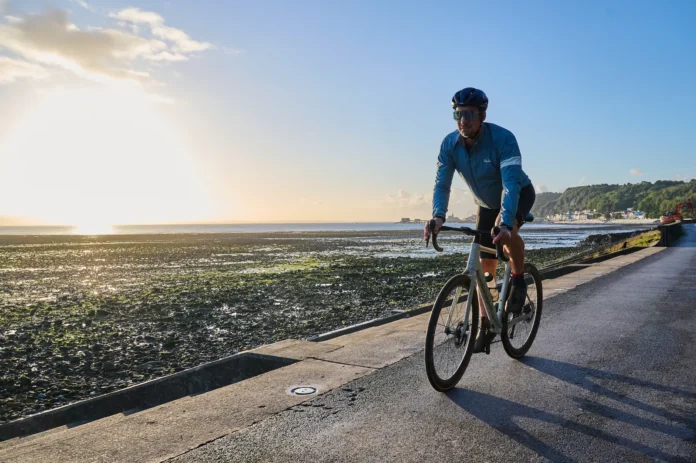
Dubai continues to raise the bar for healthy living and sustainable transport. The emirate already boasts 560km of cycling tracks. Now, it plans to expand this network to 1,000km by 2030. This ambition reflects Dubai’s growing commitment to eco-friendly and active lifestyles. The Dubai Media Office announced the expansion plan on June 22.
The progress since 2006 has been remarkable. Dubai started with only nine kilometres of cycling tracks. Over the years, the city steadily increased its infrastructure. Authorities have integrated cycling routes into urban planning. Thus, the city actively supports residents who choose cycling for commuting and recreation.
Furthermore, expanding cycling infrastructure complements Dubai’s wider environmental goals. Encouraging cycling reduces traffic congestion and lowers carbon emissions. It also promotes physical health and wellbeing. The city’s leadership recognises these benefits and is investing accordingly.
Moreover, Dubai’s strategy includes safe and accessible cycling routes for all ages and abilities. The new tracks will connect key areas across the emirate. Urban planners will focus on integrating cycling with public transport. This approach aims to make cycling a practical option for daily travel. The move supports a more sustainable urban lifestyle.
Residents have welcomed the expansion plans enthusiastically. Local cycling groups and environmental advocates praise the initiative. They see it as a crucial step toward greener and healthier cities. Authorities continue to engage the community for feedback and support. Together, they work toward making cycling a mainstream mode of transport.
In conclusion, Dubai cycling tracks expansion accelerates healthy living signals a strong commitment to healthy living and sustainability. The city’s rapid growth in cycling infrastructure sets a regional example. As the expansion continues, the emirate fosters a cleaner, more active future. Dubai cycling tracks expansion accelerates healthy living throughout the community. The initiative is a vital part of the city’s vision for 2030.
