
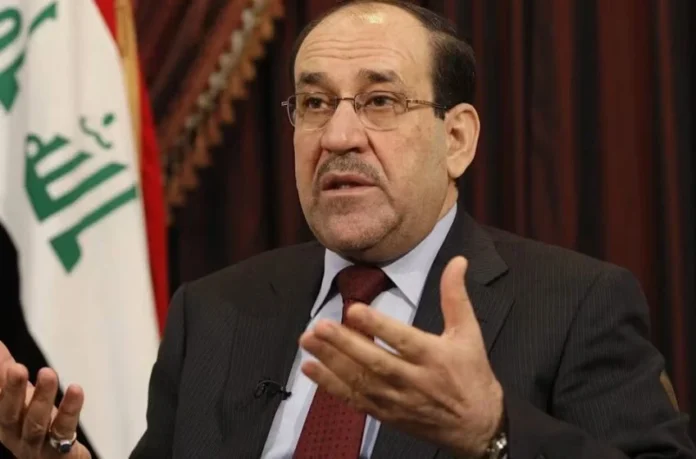
Nouri al-Maliki sparked attention with Al-Maliki’s stance on Syria, criticizing its government for foreign interference. He warned that external influence undermines Syria’s ability to govern effectively.
Al-Maliki made the remarks during a press conference as Iraq’s political negotiations continue in Baghdad. He noted that Turkey and Israel influence Syria and that some leaders previously arrested in Iraq could not manage an ethnically and religiously diverse nation.
Al-Maliki is a seasoned figure in Iraqi politics, having served as prime minister twice between 2006 and 2014. His tenure faced criticism for rising sectarian tensions and failures that enabled Islamic State to capture Mosul in 2014. These events revealed weaknesses in Iraq’s security and governance systems.
He also maintains close ties with Iran through the Shi’ite Islamic Dawa Party, a key player in Tehran’s network of political allies. Critics argue that this relationship, along with Iran-backed militias in Iraq, limits Baghdad’s independence and increases external interference.
US Secretary of State Marco Rubio and other officials recently urged Iraqi leaders, including caretaker Prime Minister Mohammed Shia al-Sudani, to limit Iranian influence. They also recommended disarming Iran-aligned groups as Iraq prepares to form a new administration with broad international support.
Al-Maliki’s remarks about Syria illustrate how regional disputes intersect with Iraq’s internal politics. As Baghdad prepares a new government, some domestic factions use regional tensions to strengthen their positions.
Meanwhile, Iraq continues to balance its relationships with neighboring states. Officials aim to avoid involvement in external crises while managing the influence of regional powers in domestic politics. Analysts note that Al-Maliki’s criticism signals his intention to assert Iraq’s political direction and engage in regional issues strategically.
In conclusion, Al-Maliki’s stance on Syria highlights both Iraq’s domestic challenges and its engagement with regional dynamics. Observers say his position reflects ongoing debates over foreign influence and governance stability, emphasizing the delicate balance Iraq must maintain to form an effective administration.
