
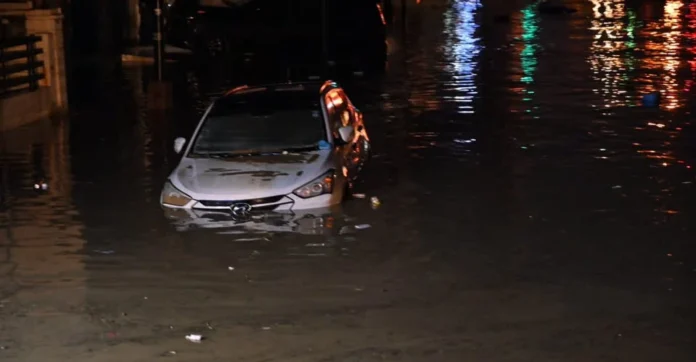
Erbil Flood Assistance directives were issued on Sunday after heavy torrential rains caused severe local flooding. Kurdistan Region President Nechirvan Barzani contacted provincial authorities to coordinate immediate relief operations across affected residential neighborhoods. Furthermore, executive leadership reviewed ongoing emergency responses while extending condolences to families impacted by the weather disaster. Consequently, municipal teams mobilized rapidly to deliver emergency aid and assess structural property damage throughout the regional capital.
Meanwhile, local official reports confirmed two fatalities occurring in the Seberdan district east of Erbil city. Floodwaters swept through residential areas on Saturday, claiming the lives of a young man and a child. Additionally, overflowing drainage channels damaged hundreds of family homes, personal vehicles, and commercial storefronts across eastern neighborhoods. Therefore, civil defense personnel prioritized evacuation missions and cleared waterlogged roads to ensure public safety.
Furthermore, extreme weather conditions triggered severe rockfalls along the critical highway connecting Erbil and Kirkuk. Transportation authorities closed the main transit corridor on Sunday to clear debris and prevent hazardous driving accidents. Moreover, highway maintenance crews maintain heavy machinery on site until engineers verify complete structural safety along the route. Consequently, traffic officials directed motorists toward alternative detours while clearing fallen boulders from main lanes.
Additionally, expanding Erbil Flood Assistance initiatives remains a top priority for provincial relief agencies and municipalities. President Barzani instructed local government offices to streamline compensation procedures for families suffering major property losses. Furthermore, municipal engineering units began assessing damaged drainage networks to enhance future stormwater management across vulnerable districts. Therefore, regional authorities maintain continuous emergency operations to safeguard residents from further severe storm impacts.
In conclusion, coordinated emergency efforts help mitigate immediate crisis conditions for local communities affected by natural disasters. Furthermore, rapid administrative intervention ensures vital resources reach displaced households without unnecessary bureaucratic delays across regional provinces. Moreover, ongoing infrastructure maintenance helps prevent severe water accumulation during intense seasonal rainfall events in northern areas. Consequently, government bodies remain fully committed to supporting affected families throughout the entire recovery process.
