
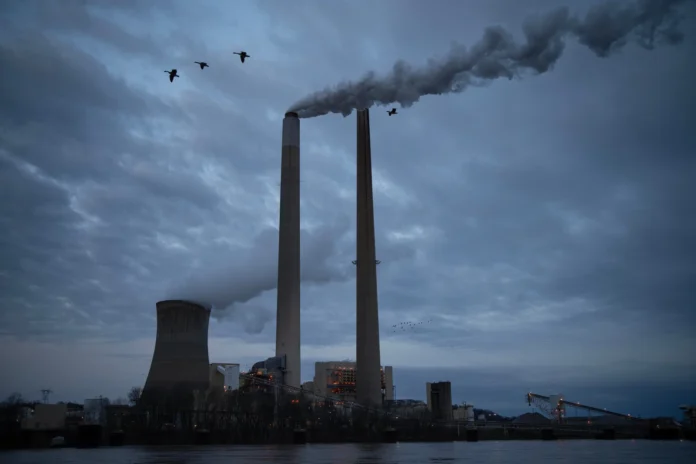
Climate Change Projections indicate that global temperatures will rise faster than previous scientific estimates suggested. A new report by the United Nations Environment Programme warns about worsening environmental conditions globally. Rising energy consumption and increased coal usage in major economies significantly accelerated international carbon output. Consequently, global efforts to limit global warming face unprecedented challenges across every continental region.
Meanwhile, most major economies managed to slow down their output of greenhouse gases last year. However, increased carbon output from key industrial nations offset much of that positive progress worldwide. Scientists warn that missing international temperature targets will trigger severe weather events across vulnerable areas. Therefore, international climate advisors are demanding immediate structural reforms to global energy infrastructure systems.
Additionally, global temperatures are expected to increase by several tenths of a degree higher soon. Furthermore, experts predict that higher global temperatures will severely impact global economic stability and agriculture. Moreover, small island nations and developing territories face catastrophic flooding risks from rising sea levels. Consequently, environmental leaders stress that immediate legislative action remains necessary to prevent severe ecological degradation.
Furthermore, Updated Climate Change Projections confirm that current national promises remain insufficient to curb warming. In fact, many countries are failing to meet their previously stated voluntary carbon reduction commitments. Consequently, international diplomats are struggling to maintain unified global policies during recent climate negotiations. Therefore, environmental specialists recommend rapid adoption of clean energy technology across all major industrial sectors.
In conclusion, scientists emphasize that immediate international cooperation offers the only practical path forward today. Furthermore, rapid deployment of renewable energy sources can help stabilize long term global temperature trends effectively. Moreover, nations must coordinate financial investments to build resilient infrastructure for future generations worldwide. Consequently, the global community faces growing pressure to strengthen environmental commitments before damage becomes permanent.
