
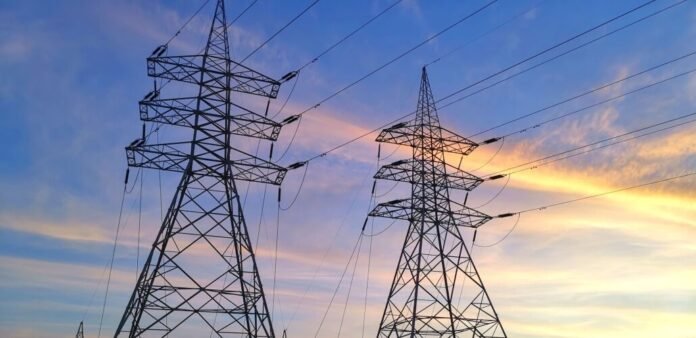
Egypt and Saudi Arabia expect to launch their electricity interconnection project in mid-November, following final operational testing. The Egypt Saudi Interconnection project aims to strengthen electricity exchange between the two countries and improve grid reliability. Egyptian Electricity and Renewable Energy Minister Mahmoud Esmat said both sides have started testing the system. Engineers are assessing the two connection lines at different capacity levels before the official launch.
The two countries plan to complete operational tests over the next three weeks. These checks will help technical teams confirm the lines’ readiness and coordinate the system’s performance. Esmat said the project will target a total transfer capacity of 3,000 megawatts once operations begin. Saudi Arabia also expects to host a major event in mid-November to mark the launch.
The project represents a significant investment in regional electricity infrastructure, with estimated costs reaching $1.8 billion. It aims to strengthen energy security while making both national power networks more dependable. Furthermore, the connection will allow Egypt and Saudi Arabia to exchange electricity according to demand and available supply. This flexibility could help each country manage changing consumption patterns and improve the use of existing generation resources.
The Egypt Saudi Interconnection also supports both countries’ plans to expand renewable energy sources. Electricity links can help networks balance differences between supply and demand across connected systems. Consequently, cross-border exchanges may offer additional flexibility as renewable generation becomes a larger part of national energy mixes. However, the project’s practical benefits will depend on operating arrangements, electricity demand and the capacity available at any given time.
The project’s origins date back to 2012, when the two countries began developing the interconnection concept. Engineers designed the system around high-voltage direct current technology operating at 500 kilovolts. This technology enables electricity to travel over long distances between networks while supporting controlled power transfers. The connection links Egypt’s Badr station with the East Medina and Tabuk stations in Saudi Arabia.
The route combines overhead power lines with submarine cables that cross the Gulf of Aqaba. Together, these components extend approximately 1,350 kilometres between the two countries. The project’s scale reflects the technical coordination required to connect separate national electricity systems. Therefore, the ongoing tests remain an important step before operators begin regular electricity exchanges.
Once the project enters service, both countries will be able to coordinate transfers within its planned capacity. The 3,000-megawatt target could create more opportunities to share electricity when one network needs additional supply. Nevertheless, operators must manage transfers carefully to protect stability and maintain reliable service across both systems. Continued coordination will remain essential as the countries develop their wider energy infrastructure.
The planned launch marks a further step in Egypt-Saudi cooperation on strategic infrastructure. Through the connection, both governments aim to improve network efficiency and support their long-term energy plans. If testing proceeds as expected, the mid-November launch will begin a new phase of electricity cooperation. The project could also strengthen regional energy links as neighbouring countries pursue more integrated power systems.