
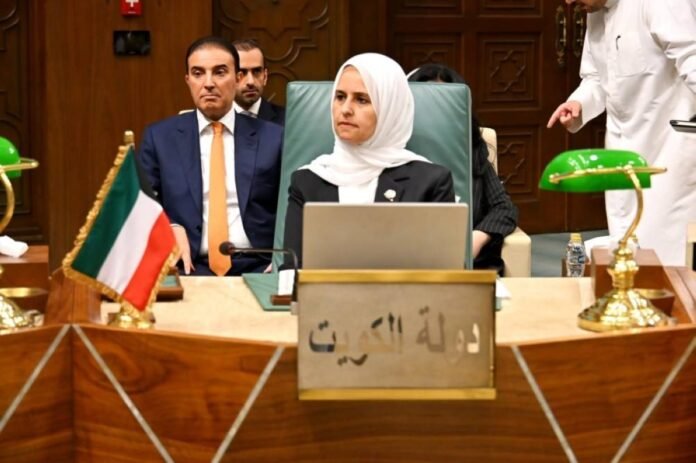
Arab Environment ministers gathered in Cairo on Thursday for discussions addressing climate change, biodiversity and sustainable resource management. Kuwait participated in the 37th session of the Council of Arab Ministers Responsible for Environmental Affairs. Minister of State for Development and Sustainability Dr. Reem Al-Fulaij led Kuwait’s delegation during the meeting.
The session comes as Arab countries face increasing environmental pressures involving water scarcity, pollution, desertification and changing climate conditions. Consequently, ministers are examining ways to strengthen regional cooperation and coordinate environmental policies across participating Arab states. The discussions also focus on improving sustainable management of natural resources and strengthening resilience against environmental challenges.
Yemeni Minister of Water and Environment Tawfiq Al-Sharjabi chaired the meeting and called for stronger Arab coordination. He emphasized the importance of developing unified positions during international environmental meetings and negotiations. In addition, he highlighted climate financing, capacity building and technology transfers as important areas for regional cooperation.
Al-Sharjabi also stressed the close relationship between water, agriculture and environmental protection across the Arab region. He said governments need integrated approaches because water and food security depend heavily on healthy ecosystems. Furthermore, stronger environmental resilience can help communities respond to drought, desertification and other climate-related pressures.
The council also addressed environmental conditions in Palestine, including the situation affecting Gaza. Al-Sharjabi said environmental damage has affected water, soil, air, natural resources and ecosystems in affected areas. He called for continued efforts to reduce environmental harm and strengthen Palestinian environmental institutions.
He also emphasized the need to support recovery and rehabilitation efforts involving damaged ecosystems in Palestine. The discussion forms part of the council’s broader examination of environmental challenges affecting Arab countries. Meanwhile, participating governments are considering ways to strengthen regional environmental cooperation through shared initiatives and coordinated policies.
The council’s agenda covers several major international environmental agreements and upcoming climate negotiations. Ministers are also discussing preparations for COP31 and matters related to sustainable production and consumption. Additionally, biodiversity protection, chemicals management and waste reduction remain important areas within the meeting’s program.
The agenda also includes environmental concerns affecting Arab states that have experienced natural disasters. Officials are examining regional mechanisms that could improve preparedness, coordination and environmental recovery following such events. These discussions reflect the growing importance of cooperation as countries manage increasingly complex environmental pressures.
Arab Environment discussions also extend beyond climate policy and emergency response measures. The council is considering issues involving the blue economy and international environmental cooperation. Officials are also reviewing the Arab Environment Forum and the Arab Environment Facility as part of their wider agenda.
Another topic involves the Arab Environmental Capital initiative and the council’s environmental award. These programs aim to highlight environmental efforts and encourage greater attention toward sustainable development. Through these initiatives, Arab countries can exchange experiences and recognize approaches supporting environmental protection and resource management.
Kuwait’s participation reflects its involvement in regional discussions concerning sustainability and environmental policy. Al-Fulaij heads the Kuwaiti delegation alongside Kuwait’s Permanent Representative to the Arab League, Ambassador Talal Al-Mutairi. Officials from Kuwait’s Environment Public Authority also joined the delegation at the Cairo meeting.
The Kuwaiti delegation is participating as ministers examine shared environmental challenges facing Arab countries. The discussions provide an opportunity for participating governments to exchange perspectives and coordinate positions on international environmental issues. They also create a regional forum for discussing practical approaches to climate resilience and sustainable development.
The meeting comes as environmental concerns continue affecting water resources, agriculture and ecosystems throughout the region. Therefore, discussions surrounding climate financing, technology and capacity building remain central to regional environmental cooperation. Governments face the challenge of balancing economic development with sustainable management of increasingly pressured natural resources.
Arab Environment cooperation remains particularly important as countries address issues that cross national borders. Climate change, desertification, pollution and water scarcity can affect multiple countries simultaneously. As a result, coordinated policies and shared environmental initiatives can support broader regional responses to these challenges.
The Cairo meeting will continue examining environmental priorities and regional cooperation mechanisms. Participating ministers are expected to consider recommendations covering climate action, biodiversity, sustainable consumption and environmental recovery. Kuwait’s delegation will continue representing the country throughout the council’s proceedings.
Arab Environment ministers are therefore addressing a broad range of issues affecting sustainability across the region. The discussions combine international climate priorities with regional concerns surrounding water, food security and ecosystem protection. The council’s agenda ultimately reflects the growing focus on coordinated environmental action among Arab countries.
