
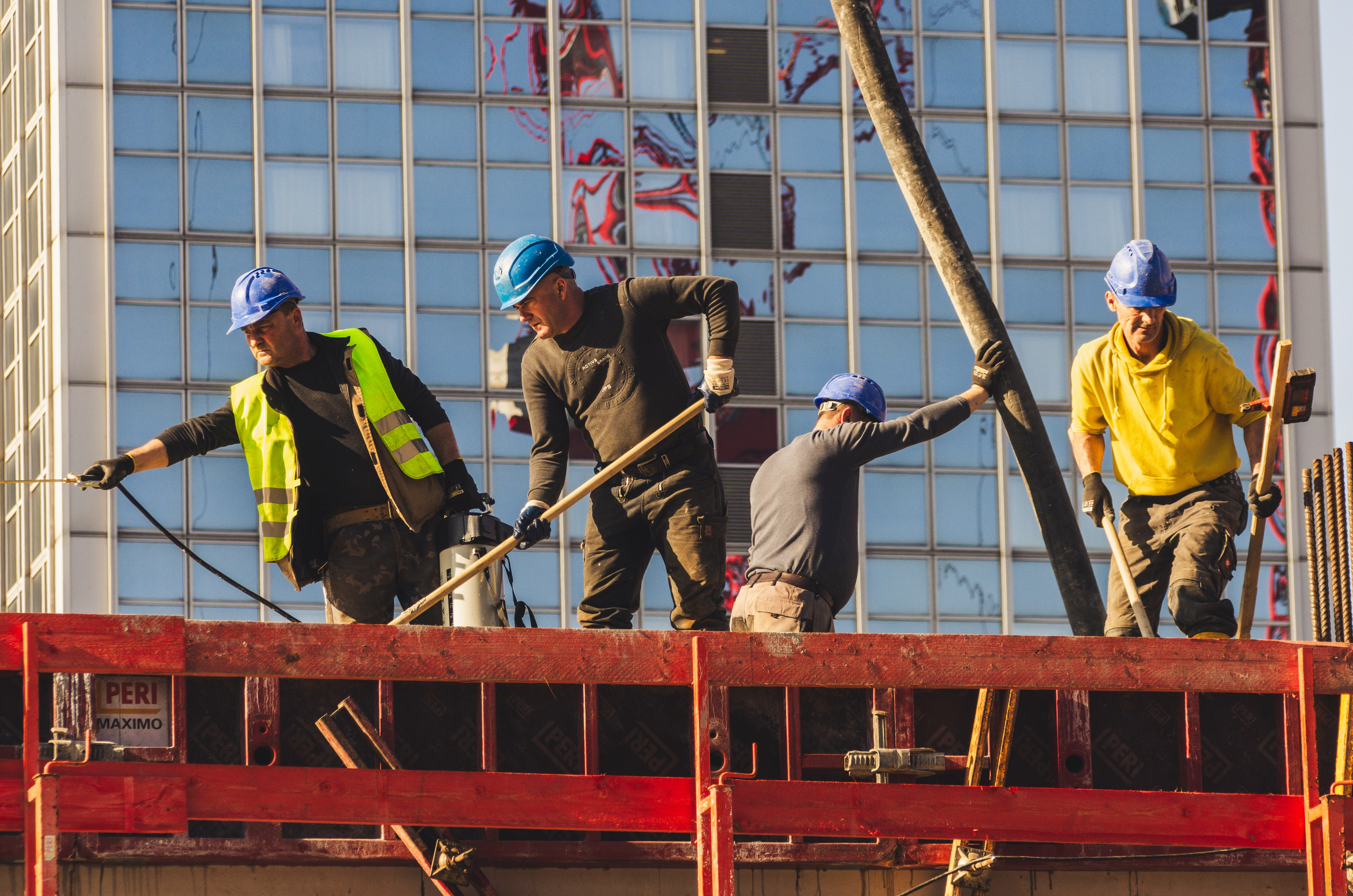
Bahrain officially concluded its mandatory summer outdoor work ban on Monday following two months of strict enforcement. Consequently, construction firms and industrial facilities across the kingdom can resume normal afternoon operational schedules immediately. Ministry of Labour officials confirmed the formal end of the outdoor work ban on official social media channels. Furthermore, government inspectors monitored work sites daily to ensure full compliance with seasonal health regulations across all sectors.
The annual policy restricts direct open-air labor between noon and four in the afternoon throughout peak heat months. Specifically, the seasonal prohibition protects thousands of blue-collar site workers from extreme heat stress and sunstroke risks. Additionally, workplace safety officers noticed significant reductions in heat-related medical emergencies during the restricted summer operational hours. Therefore, business leaders praised the government initiative for improving overall site productivity and maintaining safe working environments.
Violators faced severe financial penalties ranging from five hundred to one thousand Bahraini dinars per illegal worker. Furthermore, judicial courts hold the authority to impose prison sentences up to three months for repeat labor violations. Official government records show local employers achieved an impressive ninety-nine point ninety-seven percent compliance rate during previous seasons. Consequently, labor rights organizations commended the business community for demonstrating strong commitment toward protecting vulnerable site workers.
Meanwhile, industrial sector managers restructured daily shift rotations to maintain project timelines without compromising worker physical safety. Furthermore, corporate safety officers provided dedicated cooling stations, hydration breaks, and medical checkups across major construction sites. Additionally, private contracting companies invested in automated equipment to lessen manual labor demands during extreme weather periods. As a result, national occupational health standards continue inspiring similar regulatory frameworks across neighboring Gulf Cooperation Council markets.
Looking ahead, ministry representatives plan to upgrade digital monitoring tools for future seasonal outdoor work ban enforcement campaigns. Furthermore, labor experts encourage construction firms to preserve heat mitigation strategies throughout remaining warm weather weeks continuously. Additionally, government agencies will continue educating foreign laborers regarding their legal rights and health safety measures. In addition, civil society groups emphasize that protecting human welfare reinforces national economic sustainability and social development. Ultimately, authorities maintain rigorous site inspections year-round to safeguard human rights and improve national labor standards.
