
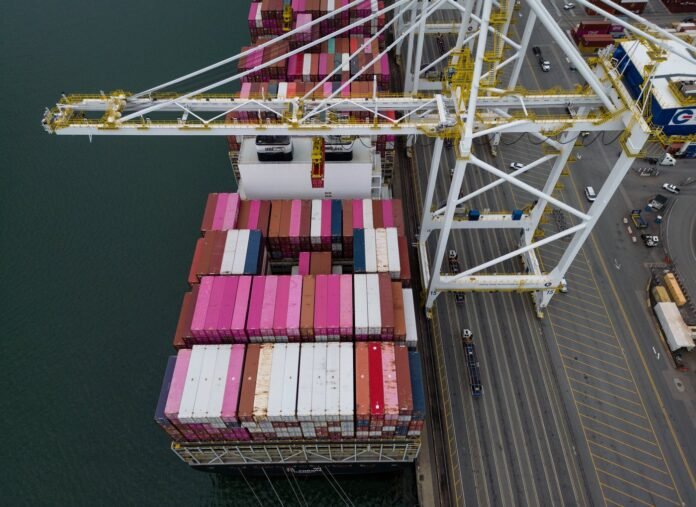
Official statistical data shows that the Canadian economy recovers sharply following six months of stagnant growth across national industries. Furthermore, robust export performance and steady domestic demand drove annualized economic expansion to 3.3 percent during the second quarter. In addition, statistical agencies revised first-quarter growth upward to 0.3 percent, confirming that the country avoided a technical recession. Meanwhile, increased household spending and corporate investments helped local markets weather ongoing trade disruptions across North American supply chains. Therefore, this solid financial performance provides a strong foundation for national businesses navigating shifting international trade policies.
Consequently, financial analysts observed how the Canadian economy recovers despite new international tariffs impacting cross-border trade relationships. Specifically, outbound commercial shipments expanded by 3.6 percent, serving as a primary catalyst for overall quarterly economic growth. Moreover, second-quarter annualized performance surpassed central bank expectations, which previously forecasted a modest 2.5 percent growth rate. Besides strong export figures, domestic consumer expenditures helped shield local businesses from rising import costs and supply chain friction. As a result, commercial enterprises demonstrated remarkable resilience ahead of newly announced international trade duties.
Similarly, financial indicators reflected market stability as the Canadian economy recovers and adapts to evolving global trade dynamics. For instance, national currency valuations remained largely stable while short-term government bond yields experienced slight upward movements. Likewise, money market traders adjusted expectations, anticipating that central bank officials will maintain current benchmark interest rates. Furthermore, business strategists noted that local households effectively managed trade-related uncertainties prior to recent tariff announcements. Eventually, sustained domestic consumption will play a vital role in protecting long-term economic stability. Finally, financial leaders continue monitoring international trade developments to ensure steady economic momentum moving forward.
