
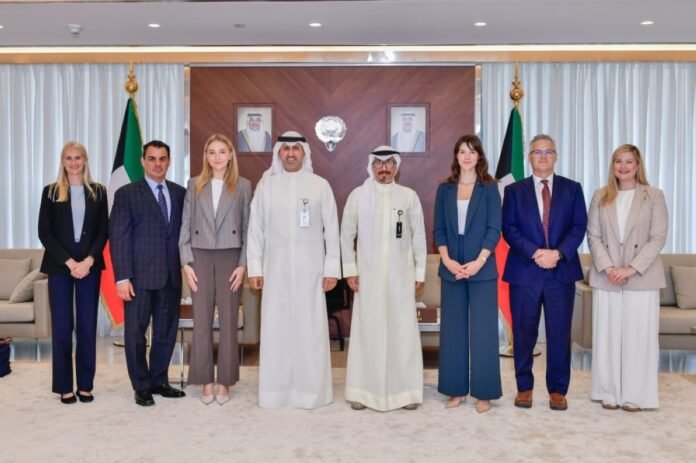
Energy cooperation expanded during high-level diplomatic discussions between senior Kuwaiti oil officials and visiting American lawmakers. Furthermore, Kuwait Undersecretary of Oil Sheikh Dr Nimer Fahad Al-Malik Al-Sabah hosted a Congressional delegation. In addition, official representatives gathered in Kuwait City to exchange views on critical issues facing global markets. Meanwhile, the Ministry of Oil emphasized deep-rooted historical ties connecting both friendly partner nations across decades. Therefore, strategic talks focused heavily on strengthening bilateral coordination to secure global energy supplies effectively.
Consequently, energy cooperation remains a vital pillar for supporting mutual commercial interests and maintaining global market stability. Specifically, Sheikh Dr Nimer Al-Sabah highlighted Kuwait’s unwavering commitment to expanding technical partnerships with American energy institutions. Moreover, visiting lawmakers praised the current level of diplomatic coordination between Washington and Kuwait City. Besides reviewing bilateral ties, delegates emphasized the necessity of continuous communication regarding supply security frameworks. As a result, both sides agreed to explore new avenues for economic and technological collaboration.
Similarly, energy cooperation benefits from direct legislative dialogue involving key congressional advisors and foreign policy specialists. For instance, the visiting delegation included House Foreign Affairs Committee representatives Yakira Rosen, John Tucci, and Francesca Eremeva. Likewise, intelligence committee member Payson Roule and staff member Ashley Mott actively participated in the official proceedings. Furthermore, economic advisors Brian Shelburn, Karen Nasrallah, and Marwan Haddad contributed expert insights during technical exchanges. Eventually, ongoing bilateral engagements will continue reinforcing long-term strategic ties and stabilizing global commercial energy markets. Finally, leadership from both nations pledged continuous dialogue to advance shared economic and security goals forward.
