
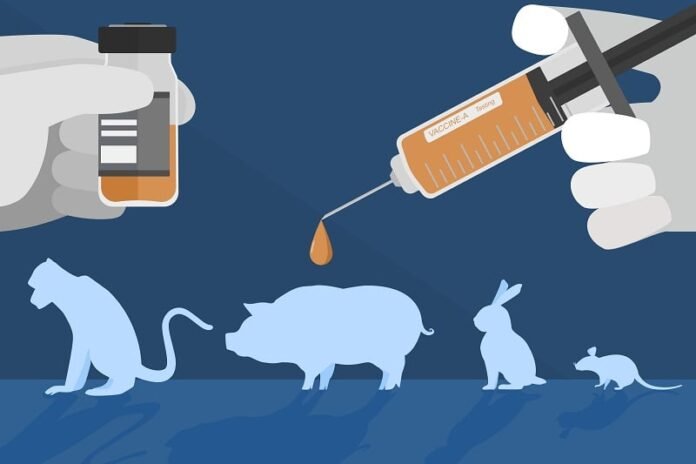
German military research involving animals is expected to increase by 2029 as scientific demands grow and security conditions evolve, according to a response from the Defense Ministry to a parliamentary inquiry.
The ministry said any future projects would continue to comply with Germany’s animal welfare regulations and follow principles aimed at reducing the use of animals, limiting suffering, and replacing animal testing where alternatives are available.
Animal testing has long been part of military medical research in Germany, particularly in efforts to improve treatment methods for wounded soldiers. However, the ministry declined to disclose figures covering animal use in military research between 2020 and 2025, saying the information was classified for national security reasons.
Previous data released by the ministry showed that the German armed forces used around 400 animals in research activities in 2019, with rats accounting for the majority. Studies included work on skin injury treatments, kidney injury research, and surgical training exercises involving various animal species.
The figures also covered military service dogs used in first-aid training, as well as donkeys and mules involved in veterinary education programs.
The prospect of increased animal testing has drawn criticism from the opposition Left Party, which submitted the inquiry. The party called for a broader plan to phase out animal experiments and urged an immediate ban on tests that cause severe suffering.
In response, the Defense Ministry said there are currently no plans to carry out experiments classified as causing severe pain, distress, or suffering to animals.
Animal testing remains widely used in medical and scientific research across Germany, although the overall number of laboratory animals has fallen in recent years, reaching about 1.33 million in 2024.
